

Blog / Cloninger Toyota Service

Blog

All Cloninger Toyota Service Things To Do Cloninger Toyota Salisbury NC Salisbury Toyota Dealer Salisbury Toyota Service Restaurants Salisbury 2022 Toyota 2023 Toyota Family Fun Parks 2022 Local Businesses NC 2020 Toyota Locally-Owned Shops Museum 2020 2021 2021 Toyota Prius Prime Hiking Trails Kid-Friendly Takeout Tires Toyota Toyota Parts Transportation 2021 Toyota Corolla Hybrid Boone's Cave Park Cafe Car Battery Delivery Holiday Shopping Iconic Landmarks Landmarks safety features Salisbury Historic District Salisbury Used Cars Things to Do Near Salisbury, NC Transmission Service 2020 Toyota Camry 2020 Toyota Prius 2020 Toyota RAV4 2021 Toyota Avalon Hybrid 2021 Toyota Camry 2021 Toyota Camry Hybrid 2021 Toyota Corolla 2021 Toyota Corolla Hatchback 2021 Toyota Highlander 2021 Toyota Highlander Hybrid 2021 Toyota Prius 2021 Toyota RAV4 2021 Toyota Sienna 2021 Toyota Supra 2021 Toyota Tacoma 2021 Toyota Venza 2022 Toyota Highlander 2022 Toyota Sienna 2022 Toyota Supra 2022 Toyota Tacoma 2023 Toyota Sienna Barbecue Burger Restaurants Catawba Science Center Chinese Food Fitness Fuel Efficiency Grill ice cream ice cream spots Mexican Restaurants North Carolina Zoo Old Stone House Shopping in Salisbury Toyota Camry Toyota Camry Hybrid Toyota Tacoma
catalytic converter 3

3 Signs Your Toyota Needs a New Catalytic Converter

The invention of the catalytic converter made it possible for us to reduce the number of harmful emissions we release while still enjoying the benefits of car ownership, and these days the device is an expected inclusion in your fuel system. If your converter has become aged or damaged, you're sure to see some negative side effects. Check this list for the common signs before visiting your Toyota dealer for an upgrade. 3 Signs Your Toyota Needs a New Catalytic Converter 1. Spending Too Much Money on Gas Nobody likes having to spend money at the pump to refill their tank, but it's even worse when you find yourself filling up more and more often while running out of fuel at a faster rate. If your catalytic's filtration layer has become clogged, that's just the situation you could find yourself in. more During normal use, the converter's inner film can become coated in deposits and not allow proper air passage. This results in improper combustion of fuel, meaning some of the gas is wasted each time you press down on the pedal. A quick visit to a dealer can let you know whether it's time to have the device cleaned or replaced. 2. Reduction in Expected Horsepower We like our vehicles to speed up nicely when overtaking in a lane or merging onto the highway, and it's horribly unsatisfying when you're pressing on the gas but getting no reaction from the engine. This is yet another potential result of a clogged converter. As we discussed earlier, when the converter isn't working properly the fuel-to-air ratio isn't able to reach the proper mixture level and gas is wasted. When discussing acceleration, the lack of proper combustion means you will experience a delay between when you wanted to speed up and when it actually happens. 3. Roaring and Rattling A damaged or absent converter can result in all sorts of strange noises from your vehicle. If you're hearing a metallic rattling when you turn the ignition key, and maybe even while you're driving, that could be a sign that an inner component of the catalytic has broken loose and is clanging about from the vibration of the engine. Roaring, on the other hand, only occurs when the device is completely gone. If your converter is missing, the engine will become obnoxiously loud, especially when accelerating. Even when left idle, a vehicle without a catalytic will reach a volume that most find unpleasant. Wanting to keep the air breathable and the environment clean is a no-brainer, and keeping your converter functional is an easy way to ensure you're contributing to the safety of your community. Come to Cloninger Toyota today to have your catalytic assessment and receive an upgrade that brings you all the benefits of a healthy fuel system.
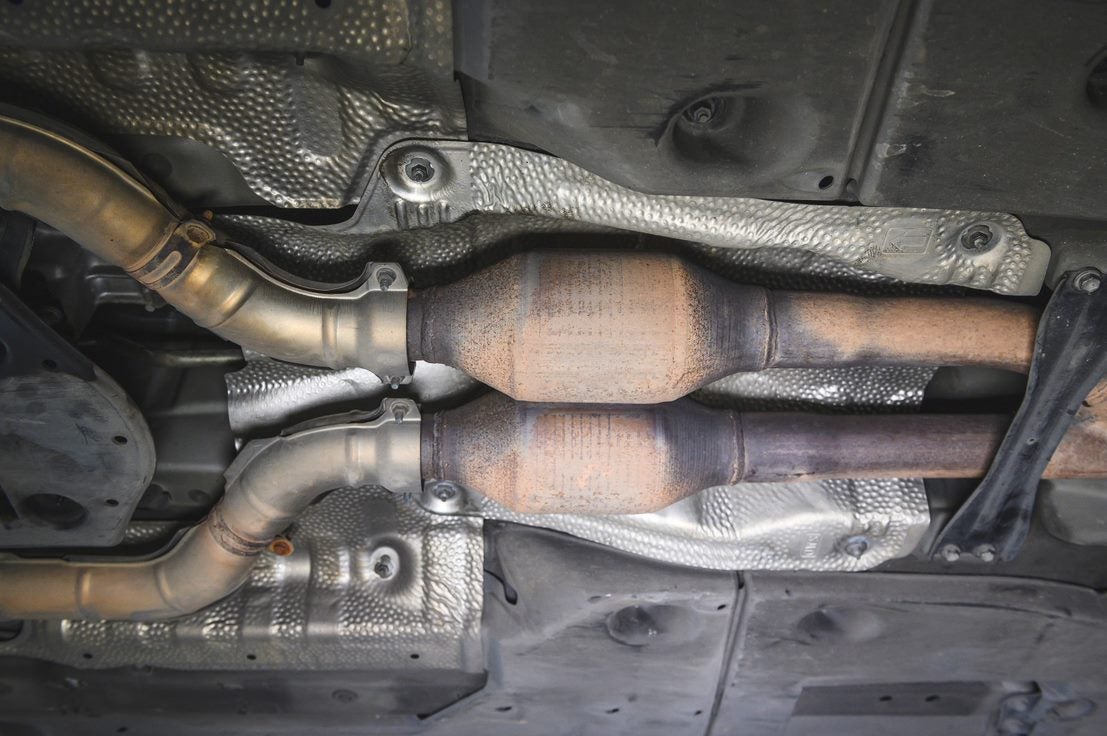
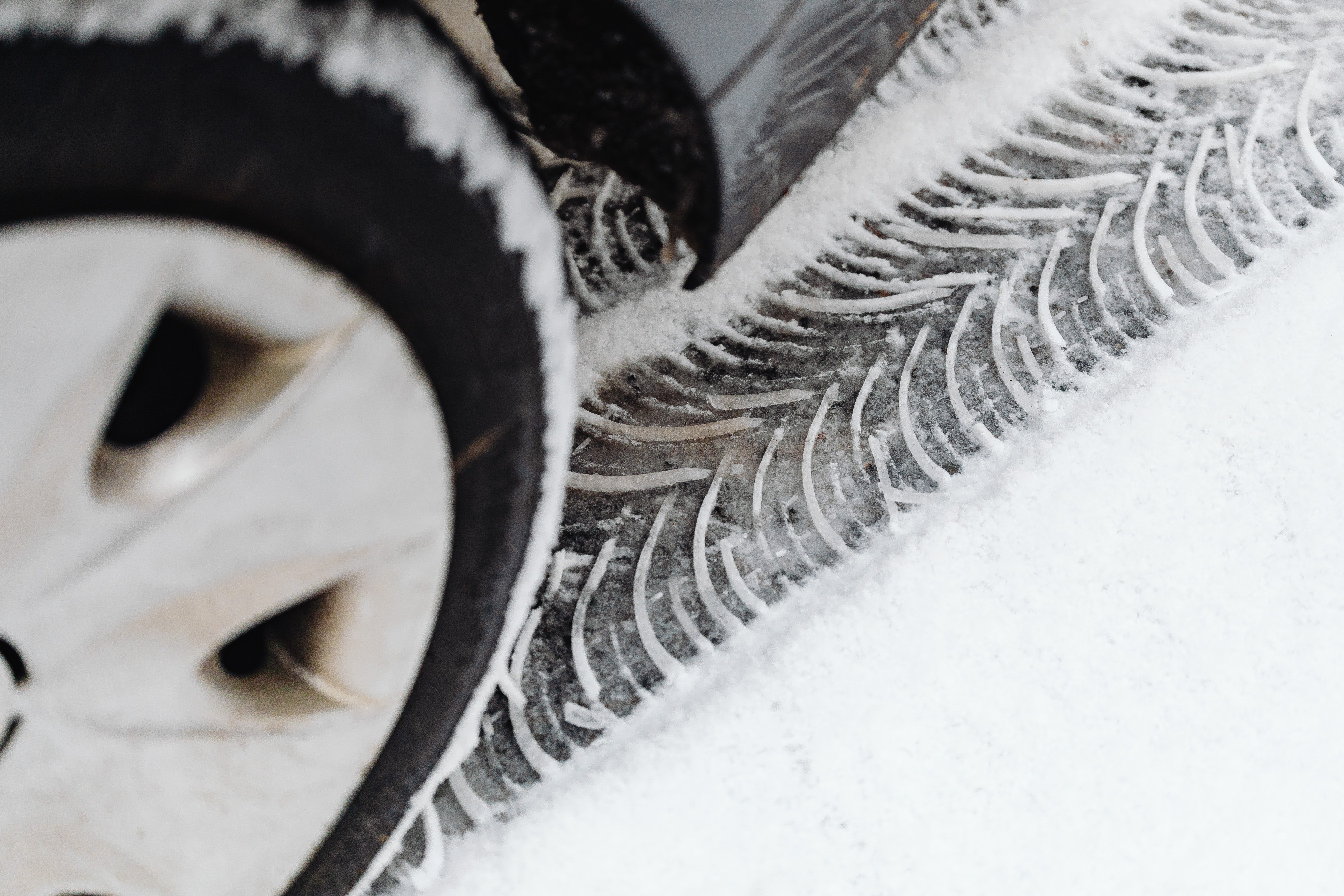
Photo by Karolina Grabowska

Time for New Tires? Visit Your Salisbury Toyota Dealer Today

Over their life, your tires are subject to friction, heat, cold, water, and numerous other conditions. Modern tires are more advanced and stronger than ever, but they will still wear out. Worn tires can affect your braking and increase wear on other components. When you need replacements, your friendly Toyota dealer can fit them. These are a few signs that it's time for new tires. Time for New Tires? Visit Your Salisbury Toyota Dealer Today Your Tread Is Low The tread on your tires is the raised pattern section in contact with the surface. Each manufacturer has different patterns for the tread, but all serve the same purpose. The tread's purpose is to provide your tires with a sure grip on the surface. This allows you to drive with the confidence that your Toyota will respond just as it's designed to. more Since the tread is raised its subject to abrasion. As you drive, small sections of the rubber slowly flake off. As the tread wears down, its grip on the surface will become less stable. A reduced tread will also increase your fuel consumption, as a lack of tread creates resistance when you drive. When we replace the worn tires, these problems will disappear. You Have a Slow Leak Tires lose some air pressure each month, and this is normal. The loss is due to the interior pressure of the tires trying to balance with the exterior air pressure. On average, each tire will lose 1 to 3 pounds per square inch (psi) per month. In addition, external temperature changes will also cause your tie pressure to fluctuate. Every 10 F drop in temperature will reduce tire pressure by 2psi. If your tires seem to be losing air faster than this, you could have a slow leak. A nail or other sharp object may have punctured your tire, and the air is slowly leaking out. Sometimes if you examine your tires you'll see a puncture mark. Our technicians can examine your tires and either plug the leak or replace them, depending on the damage. Your Tread Is Separating Your tires are composites, built from a steel belt supported by polymer belts, then covered in a different layer of rubber and vulcanized. Tread separation can occur due to extreme damage to a tire. When this happens, the tread layers with the steel and polymer bands start to separate from the remainder of the tire. Tread separation is easy to see, and it's very dangerous as the tire becomes structurally unstable. If you have a tire or tires that are separating, come and see us ASAP as we need to replace them for you. If you're having a problem with your tires, come see us at Cloninger Toyota.

Photo by Dave Morgan

3 Engine Problems You Should Always Fix at Your Toyota Dealer

Engine problems can have many different causes. As a rule, each problem starts as a minor inconvenience. Over time, if the problem isn't fixed, it will become larger and more of a problem. The key to reducing problems in the engine is regular servicing according to your car's service schedule. As your Toyota dealer, we'd like to advise you on some problems that could appear. 3 Engine Problems You Should Always Fix at Your Toyota Dealer Blocked Converter The catalytic converter has been a part of automobile life in the US since 1975. A converter's job is to change dangerous, toxic engine gases into harmless ones. This process reduces airborne pollution and allows your engine to operate more efficiently. A converter changes the gases using high pressure, intense heat, and chemical reactions with the platinum inside the converter. more A converter can become blocked by carbon buildup. This carbon is produced as a byproduct of combustion and the breakdown of toxic gases in the converter. A blockage in the converter prevents the exhaust gases from escaping. These gases are forced back into your engine, which increases the fuel-to-air ratio. This can lead to damaged spark plugs, stalling issues, and other engine issues. Damaged Alternator The alternator is the most important part of your car's electrical system. It produces the electricity that your car's systems demand. Unfortunately, as your alternator ages, it wears down and generates less electricity. This is a gradual process, but once it begins, it can't be reversed. The reduced power supply will eventually affect your battery life, cause strange electrical glitches, and an assortment of electrical problems. In the final stages of a worn alternator, even priority systems like spark plugs can lose power. Our technicians will test your alternator, and we can easily replace it if it's showing signs of failure. Oil Leaks Oil is essential for your engine. It flows through the engine and helps to cool the hot components. It also applies a film of oil around the various parts to protect them against friction damage. Leaking oil can increase your engine temperature as its cooling effect is reduced. Various engine components will start to make grinding noises as the friction barrier provided by the oil disappears. There are several places oil can leak from, including the sump pan, a rusted oil filter, a rusted or dented oil pan, or a worn valve cover gasket. Our technicians are experts at tracing leaks, and we'll quickly find and fix the source of the leaking oil. Once the leak is repaired, we'll refill your oil. If your engine doesn't seem to be running as smoothly as it should, call our service department at Cloninger Toyota. Our highly-trained technicians will swiftly repair the problem.

Photo by Towfiqu barbhuiya

How to Tell When Your Toyota Needs an Alternator Repair

Your Toyota alternator produces the power to keep your battery charged, and it supplies all of your car's electrical needs. An alternator lasts for many years, but the time will come when it starts to fail. As your Toyota dealer, we can test your alternator and provide an alternator repair when you need one. These are some of the ways you can tell that your alternator is failing. Signs That You Need an Alternator Repair at Your Toyota Dealer Your Alternator Is Old The average lifespan of an alternator is approximately eight years. This lifespan can be reduced due to failure by other components. A bad battery, for example, can critically weaken your alternator if the problem isn't identified in time. A new alternator produces 14.5V of electricity, which is more than enough to supply all of your Toyota's electrical needs. more As the alternator ages, it starts to produce less power. This power reduction is partly caused by failures of individual components in the alternator. An alternator failure is a gradual process, but once it starts, it can't be fixed. You do, however, receive plenty of notice that this process has begun. Our technicians can test your alternator, and if it's damaged, we recommend its replacement. Electrical Failures All the power for your electrical system is supplied by the alternator when your engine is running. An alternator will quietly toil away producing power until it starts to fail. Your alternator will reach the stage where it can't supply all of your car's electrical needs. When this happens, your Toyota's computer will have to apportion the available power to supply the demands of your electrical systems. This shifting of power will cause glitches as electricity is drawn away from one component to supply another. Your windows, for example, may suddenly jam open, or the radio could shut off. When the power is shifted again, both components will work normally. Glitches become more frequent and numerous as the alternator problem gets worse. A Dead Battery The alternator supplies power to recharge the battery, and it begins its recharging cycle as soon as your engine starts. Starting your engine requires a large amount of your battery's power. A healthy alternator can easily and unnoticeably recharge the battery without any trouble. A problem occurs when your alternator can't produce enough power. A lack of power affects the electrical systems as we saw, but it will also affect the battery. The reduced power supply means that your battery won't be fully recharged. The amount of power your battery uses is fixed, and a reduced recharge rate will result in your battery steadily growing weaker. The result of a weakening alternator is a dead battery. Although alternator failure is a serious problem, it's important to remember that this failure happens slowly. You'll start to see the signs that your alternator is growing weaker. This knowledge gives you time to have it checked. If you see signs your alternator is failing, call our service department at Cloninger Toyota.

Photo by Markus Spiske

Does Your Toyota Need a Radiator Repair?

Your car's engine is a very hot place, and it's filled with components that can be damaged by high temperatures. To keep your engine running efficiently and protect vital parts from damage, your car has a cooling system. The radiator is the most important part of this system, but as with any mechanical component, it can get damaged. As your Toyota dealer, we'd like you to know some signs that you'll need a radiator repair. Do You Need a Radiator Repair at Your Toyota Dealer? Engine Temperature Is Too High Your engine runs hot due to combustion and the constant high-speed movement of countless parts. Your engine's normal operating temperature is between 195F and 220F. Although this sounds hot, it's the right temperature for your engine to operate efficiently. If the heat generated by your engine isn't removed, however, the temperature will rise far above the safe level. This will result in serious engine damage. When your engine temperature rises over 185F, coolant is released to control the engine temperature. This coolant will absorb the heat and carry it to the radiator for cooling. If your engine temperature is rising noticeably, this means there must be a fault in the cooling system. Call our service department, and our highly-trained technicians will investigate and fix the problem. more Damaged Thermostat The thermostat is a small valve with a big function. The thermostat controls the flow of coolant in your engine. Once the engine temperature hits 185F, the thermostat notes the temperature and opens to release coolant. The water pump activates and pumps the coolant through your engine at high speed. As the coolant passes through your engine, it absorbs the engine's heat. When the temperature drops below 185F, the coolant returns to the tank, and the valve closes. If the thermostat fails, it will jam in a closed or open position. If the thermostat jams closed, no coolant will be released regardless of the engine temperature. Your engine temperature will start to rise rapidly and your engine can quickly begin overheating. If the thermostat jams open, coolant will be continually released. The coolant will rapidly reduce your engine temperature, but it will become inefficient. Broken Thermal Switch When coolant is released into your engine, it absorbs the heat and carries it to the radiator. In the radiator, the hot coolant enters rows of thin fin-like tubes. Air blowing in through the radiator grille blows across the tubes and cools the liquid inside them. The faster your car is moving, the faster the airflow through the grille and the quicker the coolant is cooled. When your car is idling, there's very little air movement. To keep your engine from overheating, there's a fan attached to the back of your radiator. This fan will come on and blow over the tubes from behind to cool them. The thermal switch controls the fan, and if it fails the fan won't come on. If your car seems to be running hotter than it should, call us right away at Cloninger Toyota.

_Things_You_Can_Discover_From_an_Engine_Diagnostic_Cloninger_Toyota

4 Things You Can Discover From an Engine Diagnostic

The check engine light is the main reason drivers take their vehicles for a diagnostic test. However, there are many components of your engine that need to be assessed regularly in order to keep your vehicle running its best, and a diagnostic test can spot an issue before it becomes a big problem. There are several important things you can find out when you have an engine diagnostic test on your Toyota. more 1. Toyota Engine Particulars A lot of problems under the hood of your vehicle can be discovered by your OBD system, which will alert you of anything amiss by illuminating a light on your dashboard. If your check engine light is on your expert technician can use the OBD system to get a little more information about the problem from a diagnostic code that your vehicle uses to identify the reason why it senses a potential problem. The code from the OBD system is used merely as an arrow pointing to the source of the issue. The true work of finding the problem and fixing it is up to your expert mechanic. When it comes to a problem with your engine, the OBD system may be reacting to something as simple as a loose gas cap of a faulty sensor. Your experienced technician will be able to check your engine's overall health with complete diagnostic engine testing. 2. Catalytic Converter Performance A diagnostic of your engine can also detect a defective catalytic converter. This can be expensive to replace, however, the damage is usually caused by faulty ignition coils. Through regular testing, your expert mechanic will be able to determine when your ignition coils should be replaced before your catalytic converter is affected. Catalytic converter failure may also be caused by an inefficient oxygen sensor. This is something that is easily discovered with a diagnostic test on your engine and can be fixed without the need for more costly replacement parts. In order to preserve the health of your catalytic converter having a diagnostic engine test will reveal these small issues before they cause serious harm. 3. Transmission Health Additionally, transmission problems can make your check engine light come on and therefore be prevented by having regular diagnostic testing on your engine. Difficulty switching gears or slowed acceleration can be a sign of a weak transmission. Replacing your transmission or having it rebuilt can be one of the most expensive repairs needed if you wait until your check engine light comes on to have a diagnostic test. A diagnostic test on your engine can determine problems with your transmission before you have to resort to extreme and costly measures to fix it. Your professional mechanic will use computerized equipment to test various aspects of the health of your transmission to make sure that everything is working correctly. They will be able to notice if your transmission is running too hot or low on fluid levels and make adjustments before it malfunctions. 4. Exhaust System Functionality Another system that is checked with a diagnostic engine test is the exhaust network in your vehicle. The oxygen sensors are important components that look after the health of your engine by determining when there is too little oxygen in the surrounding air. A diagnostic on your engine will check for any leaks in your exhaust system as well as make sure that your oxygen sensors are working correctly. The exhaust system depends on the oxygen sensors to give an accurate reading to the OBD system. If the oxygen sensors are not detecting the correct level of oxygen in the air then they will not trigger the check engine light alerting you of a possible exhaust leak before more serious damage occurs. By having routine maintenance your trained mechanic will test all of the sensors that are related to your engine in a diagnostic. A diagnostic test on your engine is capable of analyzing many components of your vehicle and should be taken advantage of to prevent serious problems. At routine maintenance services, you will receive valuable information about your engine and the overall health of your vehicle from a diagnostic engine test. For most information or to schedule a diagnostic today, contact Cloninger Toyota.

How_Often_Should_You_Get_Your_Toyota_a_New_Car_Battery_Salisbury_NC_Cloninger_Toyota

How Often Should You Get Your Toyota a New Car Battery?

When you first buy your Toyota from a Salisbury, NC dealership, you aren't thinking about replacing the battery. In fact, you might not even worry about it until all of a sudden, the battery is dead. However, to prevent getting stranded on the side of the road with a car that won't start, you should learn how often you should get a new car battery. more Recommendations Most car batteries need to be replaced every three to five years, but some fail sooner than that, while others last much longer. The trick is to know when your battery is failing so you can get it changed before it completely dies. Your battery will provide you with numerous signs that it's wearing out, so don't ignore them if you want your car to start every time you turn the key or press the start button. Signs of a Failing Battery In general, there's no need to replace your car's battery unless it is showing signs of wear. These signs usually start appearing within the recommended three-to-five-year replacement window, but they could show up earlier or later as well. If you recognize any of these signs, it's time to get your car into a service center right away to have your battery tested, and, if necessary, replaced before it fully fails and leaves you stranded without a working car. Your Battery Light Comes On This is the most obvious sign that your battery needs to be replaced. Your car is a sensitive piece of equipment, especially if it's a newer model. It can detect when something's wrong before you notice any outward symptoms. So, if your battery light on your dashboard illuminates, take it seriously. Bring your vehicle into a service center and get the battery tested. Your technician will let you know if it needs to be replaced. Your Car Struggles to Start If you turn your ignition key or press the start button and your engine doesn't fire right up, you may have a battery problem. Typically, your battery carries enough charge while not running to start your car the next time you want it to start. However, if it's not able to remain charged while sitting without the engine running, it means your battery is starting to wear down. This is specifically true if your car stays running while you drive.   Note that if your car stalls while you're driving, the problem may not be your battery, but your alternator instead. The alternator charges your battery while the car is running, so if it's not working properly, the battery won't get the charge it needs to keep your car running, even when the battery itself is fine. A factory-trained technician can determine whether the problem is your battery or your alternator by running an engine diagnostic test. Your Headlights and Other Electronics Flicker or Fade When your battery isn't getting enough juice, your headlights and other electronics may not operate properly. This is because all the battery's charge is going to keeping your car running and not to any non-essential components like lights, the radio, and your device chargers. If your headlights are flickering, or your electronics aren't working correctly, bring your car in for a battery test. Without a good battery, the chances of your car breaking down increase significantly. Call Cloninger Toyota today to make an appointment for a battery test. If it needs to be replaced, we'll do that, too.

How_to_Change_a_Tire_in_6_Simple_Steps_637502745819501956_Salisbury_Cloninger Toyota

How to Change a Tire in 6 Simple Steps

Few things on the road are more frustrating than dealing with a suddenly defective tire. Learning how to change a tire can become one of the most valuable skills you acquire as a driver. Read on for tire changing made easier. more 1. Locate the Essentials After you pull over to a safe preferably flat location off the main road, a tire change necessitates a few key items. A properly inflated spare will usually be stored in the trunk for a regular vehicle. Sometimes, it is affixed under or on the backside of a larger vehicle like an SUV or truck. Other must-haves include a lug wrench, a jack, wheel wedges, a flashlight, a pressure gauge, an inflator, and 15 to 30 minutes of time. 2. Lift the Vehicle To keep the vehicle stable and secure, you should engage the parking brake and put wheel wedges against the wheels opposite the flat tire. You will place the jack beside the flat tire. Before you raise the car, however, remove the wheel cover from the flat tire and loosen the lug nuts with your wrench. Then, you can jack up the car until the tire is about six inches off the ground. 3. Remove Flat Tire At this point, you can fully take off the lug nuts. They should be placed out of your workspace but easily located. This step will allow you to remove the flat tire by pulling it until it comes off the hub. The flat should also be moved away from your working area. 4. Put on the Spare Take note of the wheel bolts and align them with the spare tire's rim. Once you have mounted the spare into its proper place, reinstall the lug nuts you have set aside. You should tighten each nut clockwise and by hand until it is secure, but do not fully tighten them yet. To ensure evenness in the mount, tighten the nut across from the one on which you are working, moving around in a star pattern until you are finished. 5. Lower the Vehicle Using the jack, move the vehicle back to ground-level. Do not completely lower the vehicle at first, though. Instead, make sure the spare is grazing the ground. Before sitting the vehicle so that its full weight is on the surface, finish tightening the lug nuts (with your wrench if needed). Once all the lug nuts are tightly secured, reattach the wheel cover and finish lowering the vehicle. 6. Check Pressure Use your gauge to make sure the pressure in the new tire is good. If the tire needs air, add it with your inflator. Drive slowly for assistance at a gas station if you do not have access to an inflator. After you have stored your equipment, you are good to go…for now. Spare tires are a vital temporary fix, but they are often not ideal for longer stints on the road. If you need help, contact us at Cloninger Toyota for superior service that will navigate you out of any roadway emergency.

5 Common Signs Your Car Needs Transmission Service in salisbury, nc

5 Common Signs Your Car Needs Transmission Service

Without a functional transmission, your vehicle will not move, as the transmission is responsible for transferring the power from the engine to the wheels. You don't want to let your transmission get to that point before getting it serviced, though, or you'll end up stranded. Fortunately, there are quite a few common signs to tell you that your car needs transmission service. more Dashboard Warning Light While not every vehicle has a specific warning light on its dashboard to indicate that your transmission needs to be serviced, most cars do have a light that will warn you that something is wrong with your vehicle and that it needs to get a diagnostic test right away to see what the problem is. This is true for your transmission, as a "service engine soon" or "check engine" light will come on if your transmission is not working properly. Metal-on-Metal Grinding Sound If you start hearing a grinding or squealing sound when you shift, this is likely an indication that your vehicle is low on transmission fluid. The metal-on-metal grinding is actually the result of not having enough lubrication from the transmission fluid. This is a situation that can occur in vehicles that have either an automatic or manual transmission, and if you hear it, you should bring your car into a repair center, such as your dealership, that services transmissions immediately. Burnt Smell You should never smell anything burning in your vehicle, and sometimes it can be hard to know what is causing the burnt smell. However, if this smell reminds you of paper burning, and it occurs when you shift, it could be a transmission problem. If you have a manual transmission, it probably means you need a new clutch plate. For an automatic transmission, it's a sign that the transmission fluid is overheating. Either way, you're going to need service. Late Shifting This is an issue that will only occur in vehicles with automatic transmissions because the transmission is supposed to shift when it reaches certain RPMs. If your car is revving higher than normal between shifts, you need to add transmission fluid to your car. You should not wait too long to get your vehicle into a service center because continued operation with late shifting will lead to a bigger, and more expensive, transmission problem. Popping Out of Gear Cars that have manual transmissions should not randomly pop out of gear, so if your vehicle is doing this, it is something that needs attention immediately. Not only is it causing a dangerous situation for you, but it also could be the sign of low transmission fluid, worn synchronizers, or shift linkage that has not been adjusted properly. In any case, you cannot allow this problem to continue for safety's sake, as well as for your transmission's sake. In most cases, transmission problems can be fixed by adding transmission fluid or by replacing it with new, uncontaminated fluid. However, you can't really tell how severe the issue is unless you get your vehicle serviced right away. So, if you're seeing any of these signs, contact Cloninger Toyota today to schedule an appointment to have your transmission inspected by one of our experienced technicians.

keys to getting your toyota parts replaced in salisbury, nc

7 Keys to Getting Your Toyota Parts Replaced

Car parts get worn out from normal use. That's why to keep your car running smoothly, you need to occasionally replace some parts. To help you out, here are some crucial tips to remember when replacing your Toyota parts. more Avoid Breaking Warranty Terms Your Toyota warranty specifies the mechanical and electrical parts covered by the agreement. For that reason, boosting the engine, or lifting the suspension of your car may cost you your warranty. When that happens, you have to foot the bill for any work done on your car. Which can be a drag, especially if the car is fairly new. Get Your Car Serviced Regularly Some parts need regularly scheduled replacement which comes with every service. If you don't service your car on time, you could run into bigger problems like engine failure. This can turn out to be quite costly. To avoid these excess costs, get your car serviced on time, and replace parts when you need to. Don't Ignore Warning Signs Your car will give you multiple warning signals when the parts are wearing out. For instance, if your car needs more oil top-ups than usual, it could be a sign that you may need to replace your oil filters or a more serious leak. It's best to attend to any warning signs as soon as you notice them. Use OEM Parts There are two main types of Toyota spare parts; Original equipment manufacturer parts Aftermarket parts The safest option to replace the worn-out parts of your Toyota vehicle is with OEM parts. This is because using aftermarket parts will risk damaging your car. With genuine OEM parts, you know what you are getting, however, aftermarket parts are made by different manufacturers, with inconsistent quality standards, so you can't really tell how good they'll be. Check the Certificate of Authority Many knock-off manufacturers have mastered their art incredibly well; even their packaging may look like the real thing. It's easy to mistake the fake for the original. That's why you should check for the certificate of authority that comes with genuine Toyota products. Go to a Recommended Toyota Dealership It's important to get your parts replaced at a certified Toyota dealership. Why? Because they know what they are doing, they have the best people and the best facilities. You can trust them to do a good job. Not only that but you can also be assured that the parts used on your car are genuine, original equipment manufacturer parts, no knock-offs. What's more, if an outside mechanic damages your car, you can wave goodbye to your warranty. Replacing your car spare parts is critical to keeping your driving experience smooth. This is why it's important to remember to watch out for your warranty and use only original parts. More importantly, getting the right people on the job will save you a lot of stress. To get your parts replaced by a trusted Toyota dealership contact Cloninger Toyota today.

bring your repair needs to toyota dealership in salisbury, nc

4 Reasons to Bring Your Repair Needs to the Toyota Dealership

What do you do when one of the parts in your Toyota stops working? This question faces thousands of Toyota drivers every year, but it doesn't need to keep you up at night. The next time you have car problems, consider these four reasons why your Toyota dealership is the best place to get your repairs done. more 1. Fair and Standard Pricing For many people, the idea of walking into a repair shop and haggling over prices sounds like a terrible nightmare. If you don't know what things should cost when you get your car repaired, it can be difficult and stressful. At a dealership, it is far easier because their parts prices are determined by Toyota and you won't need to haggle. 2. Experts with Your Car's Warranty A warranty can be a driver's best friend, but you need to understand it if you want to use it. What many people don't realize is that there is maintenance you need to do to upkeep your Toyota to keep your warranty valid. A Toyota expert at your local dealership can help you understand how your warranty works and how you can get the most out of it. As well, when something goes wrong with your car, it can be easy to forget about your warranty completely. But for new Toyotas, drivers can expect to have a basic warranty that lasts 36 months or 36,000 miles. Powertrains and hybrids have an even longer warranty. You've already paid for your warranty, so if you need a part replaced, make sure that you get it repaired at a dealership and take advantage of that warranty. 3. Entrust Your Toyota to an Experienced Mechanic Even if you don't know a lot about cars, you want to make sure that your Toyota is being handled by a real expert. Someone who has been trained to repair Toyotas and has lots of experiences with vehicles just like yours. If you want that kind of mechanic working on your car, then an experienced Toyota mechanic at a dealership is the best choice for you. 4. Toyota OEM Parts Toyotas require many parts that work in unison to provide you with the driving experience that you have come to love. When your Toyota gets repaired, the mechanic may need to replace one of those parts. If that's the case, then it is important that you replace that faulty part with an equivalent OEM Toyota part. OEM parts from Toyota were designed especially for your car. Unlike generic parts that can fit numerous different vehicles, genuine OEM parts are designed to be an exact fit. Dealerships have a direct relationship with Toyota, so they can help you get OEM parts installed in your car quickly and efficiently. Even with their excellent reliability, some Toyotas will need repairs throughout their lifetime. When that time comes, it is important to know how a dealership can help you get your car back on the road for a fair price. Call Cloninger Toyota to schedule your next repair or maintenance today.

reasons not to neglect your toyota maintenance checks in salisbury, nc

3 Reasons Not to Neglect Your Toyota Maintenance Checks

With everyone on the go, living in our fast-paced society can create the feeling of never having enough time to handle essential chores. Our exceptional team at Cloninger Toyota is here to serve the Morrisville, Huntersville, Lexington, and Salisbury communities with convenient and easy service options that best fit your schedule. When it comes to taking care of your new or used vehicle, there are many reasons to prioritize your Toyota maintenance. more 1. Maintains Safety and Functionality Keeping up with oil changes and routine maintenance helps to keep the car up and running. Toyota's are built to last and are reliable vehicles, but the best way to maintain their reliability and to keep yourself safe on the road is by taking care of the engine. To learn more about what service and maintenance should be done on your Toyota, stop by our service center for a quick diagnostic check. Our certified technicians will look at the mileage, wear and tear, condition of the power train, and much more. We make it easy and convenient to schedule tire rotations, flush fluids, change, oil, and all other routine or emergency repairs. 2. Helps to Retain Value When you purchase a Toyota, you are given the practical advantage of having an easy vehicle to sell or trade-in. By performing routine and regular maintenance, you help to lock in a higher resale value for the car. The maintenance and care for the vehicle will help to keep the engine healthy for years and miles to come. Dealerships and independent buyers alike are drawn to vehicles that have been meticulously cared for by their previous owners. Many of our vehicles come with service warranties and contracts that help to cover the cost of most repairs and maintenance. 3. Uncovers and Resolves Underlying Issues The best way to deal with a vehicle issue or problem is to nip it in the bud. If left without a repair, small and minor problems like a little crack in the oil pan can eventually cause the engine to lock up, creating expensive engine repairs and replacement situations. By not neglecting the maintenance of your Toyota, you allow the car to be reviewed and examined by experts in the Toyota service industry. Our service center can uncover and resolve many issues before they become an expensive and possibly time-consuming problem. We are proud to offer convenient and professional service options on all Toyota vehicles at our service center. Give us a call or stop by today to see why customers consistently trust us with their regular maintenance and essential repairs. Our team can perform a variety of complex and simple service packages, and our experienced service members and technicians always use trade-required OEM parts for all repairs and services. There is nothing more frustrating than having car troubles, whether minor or significant. Visit us today at Cloninger Toyota to schedule convenient Toyota maintenance or service on your vehicle.

Contact Us

Fill out this form below and we'll contact you shortly
*Required Fields