Blog / Cloninger Toyota Service

4 Things You Can Discover From an Engine Diagnostic

_Things_You_Can_Discover_From_an_Engine_Diagnostic_Cloninger_Toyota
The check engine light is the main reason drivers take their vehicles for a diagnostic test. However, there are many components of your engine that need to be assessed regularly in order to keep your vehicle running its best, and a diagnostic test can spot an issue before it becomes a big problem. There are several important things you can find out when you have an engine diagnostic test on your Toyota. 

1. Toyota Engine Particulars

A lot of problems under the hood of your vehicle can be discovered by your OBD system, which will alert you of anything amiss by illuminating a light on your dashboard. If your check engine light is on your expert technician can use the OBD system to get a little more information about the problem from a diagnostic code that your vehicle uses to identify the reason why it senses a potential problem. The code from the OBD system is used merely as an arrow pointing to the source of the issue. The true work of finding the problem and fixing it is up to your expert mechanic. When it comes to a problem with your engine, the OBD system may be reacting to something as simple as a loose gas cap of a faulty sensor. Your experienced technician will be able to check your engine's overall health with complete diagnostic engine testing.

2. Catalytic Converter Performance

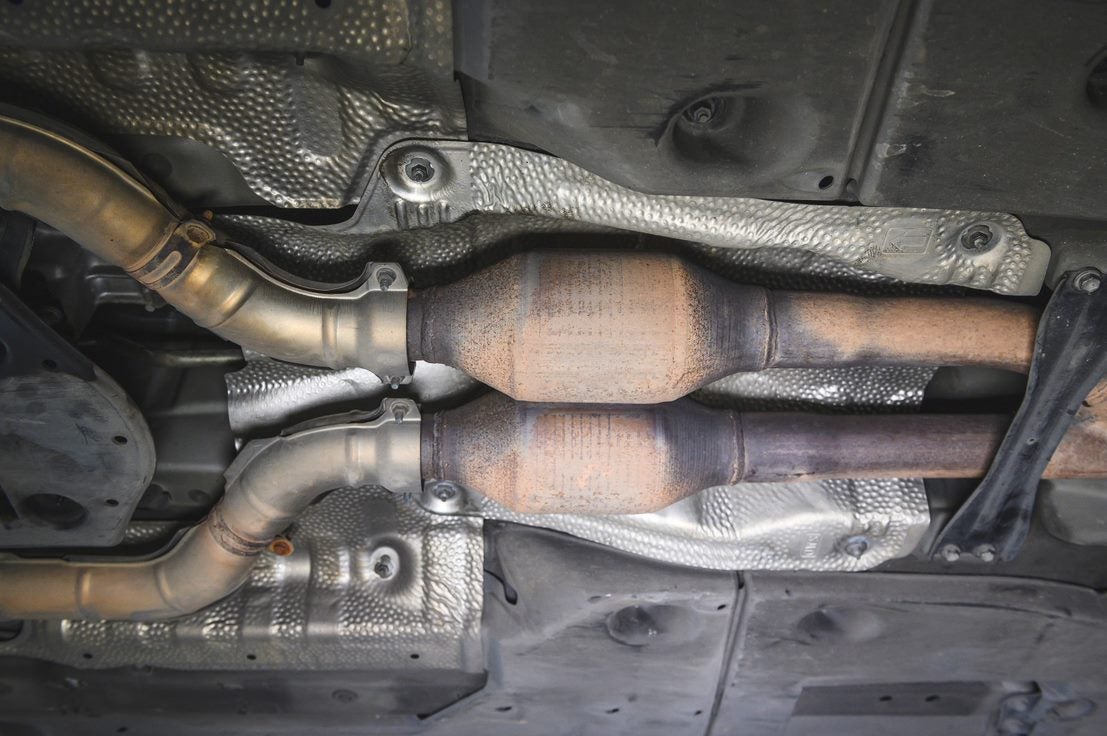
A diagnostic of your engine can also detect a defective catalytic converter. This can be expensive to replace, however, the damage is usually caused by faulty ignition coils. Through regular testing, your expert mechanic will be able to determine when your ignition coils should be replaced before your catalytic converter is affected. Catalytic converter failure may also be caused by an inefficient oxygen sensor. This is something that is easily discovered with a diagnostic test on your engine and can be fixed without the need for more costly replacement parts. In order to preserve the health of your catalytic converter having a diagnostic engine test will reveal these small issues before they cause serious harm.

3. Transmission Health

Additionally, transmission problems can make your check engine light come on and therefore be prevented by having regular diagnostic testing on your engine. Difficulty switching gears or slowed acceleration can be a sign of a weak transmission. Replacing your transmission or having it rebuilt can be one of the most expensive repairs needed if you wait until your check engine light comes on to have a diagnostic test. A diagnostic test on your engine can determine problems with your transmission before you have to resort to extreme and costly measures to fix it. Your professional mechanic will use computerized equipment to test various aspects of the health of your transmission to make sure that everything is working correctly. They will be able to notice if your transmission is running too hot or low on fluid levels and make adjustments before it malfunctions.

4. Exhaust System Functionality

Another system that is checked with a diagnostic engine test is the exhaust network in your vehicle. The oxygen sensors are important components that look after the health of your engine by determining when there is too little oxygen in the surrounding air. A diagnostic on your engine will check for any leaks in your exhaust system as well as make sure that your oxygen sensors are working correctly. The exhaust system depends on the oxygen sensors to give an accurate reading to the OBD system. If the oxygen sensors are not detecting the correct level of oxygen in the air then they will not trigger the check engine light alerting you of a possible exhaust leak before more serious damage occurs. By having routine maintenance your trained mechanic will test all of the sensors that are related to your engine in a diagnostic. A diagnostic test on your engine is capable of analyzing many components of your vehicle and should be taken advantage of to prevent serious problems. At routine maintenance services, you will receive valuable information about your engine and the overall health of your vehicle from a diagnostic engine test. For most information or to schedule a diagnostic today, contact Cloninger Toyota.

Posted in:

Related Posts

catalytic converter 3

3 Signs Your Toyota Needs a New Catalytic Converter

The invention of the catalytic converter made it possible for us to reduce the number of harmful emissions we release while still enjoying the benefits of car ownership, and these days the device is an expected inclusion in your fuel system. If your converter has become aged or damaged, you're sure to see some negative side effects. Check this list for the common signs before visiting your Toyota dealer for an upgrade. 3 Signs Your Toyota Needs a New Catalytic Converter 1. Spending Too Much Money on Gas Nobody likes having to spend money at the pump to refill their tank, but it's even worse when you find yourself filling up more and more often while running out of fuel at a faster rate. If your catalytic's filtration layer has become clogged, that's just the situation you could find yourself in. more During normal use, the converter's inner film can become coated in deposits and not allow proper air passage. This results in improper combustion of fuel, meaning some of the gas is wasted each time you press down on the pedal. A quick visit to a dealer can let you know whether it's time to have the device cleaned or replaced. 2. Reduction in Expected Horsepower We like our vehicles to speed up nicely when overtaking in a lane or merging onto the highway, and it's horribly unsatisfying when you're pressing on the gas but getting no reaction from the engine. This is yet another potential result of a clogged converter. As we discussed earlier, when the converter isn't working properly the fuel-to-air ratio isn't able to reach the proper mixture level and gas is wasted. When discussing acceleration, the lack of proper combustion means you will experience a delay between when you wanted to speed up and when it actually happens. 3. Roaring and Rattling A damaged or absent converter can result in all sorts of strange noises from your vehicle. If you're hearing a metallic rattling when you turn the ignition key, and maybe even while you're driving, that could be a sign that an inner component of the catalytic has broken loose and is clanging about from the vibration of the engine. Roaring, on the other hand, only occurs when the device is completely gone. If your converter is missing, the engine will become obnoxiously loud, especially when accelerating. Even when left idle, a vehicle without a catalytic will reach a volume that most find unpleasant. Wanting to keep the air breathable and the environment clean is a no-brainer, and keeping your converter functional is an easy way to ensure you're contributing to the safety of your community. Come to Cloninger Toyota today to have your catalytic assessment and receive an upgrade that brings you all the benefits of a healthy fuel system.

Photo by Karolina Grabowska

Time for New Tires? Visit Your Salisbury Toyota Dealer Today

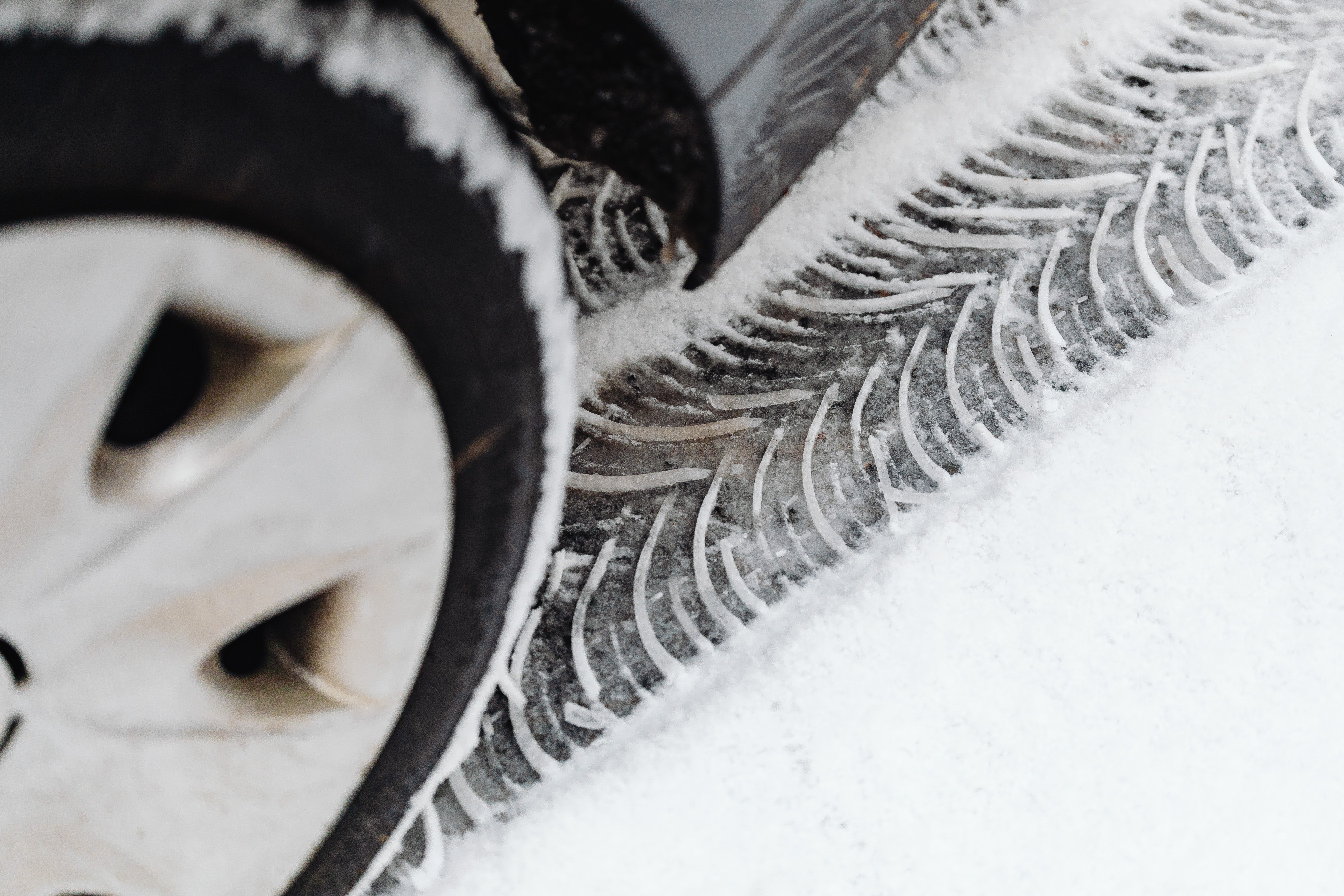
Over their life, your tires are subject to friction, heat, cold, water, and numerous other conditions. Modern tires are more advanced and stronger than ever, but they will still wear out. Worn tires can affect your braking and increase wear on other components. When you need replacements, your friendly Toyota dealer can fit them. These are a few signs that it's time for new tires. Time for New Tires? Visit Your Salisbury Toyota Dealer Today Your Tread Is Low The tread on your tires is the raised pattern section in contact with the surface. Each manufacturer has different patterns for the tread, but all serve the same purpose. The tread's purpose is to provide your tires with a sure grip on the surface. This allows you to drive with the confidence that your Toyota will respond just as it's designed to. more Since the tread is raised its subject to abrasion. As you drive, small sections of the rubber slowly flake off. As the tread wears down, its grip on the surface will become less stable. A reduced tread will also increase your fuel consumption, as a lack of tread creates resistance when you drive. When we replace the worn tires, these problems will disappear. You Have a Slow Leak Tires lose some air pressure each month, and this is normal. The loss is due to the interior pressure of the tires trying to balance with the exterior air pressure. On average, each tire will lose 1 to 3 pounds per square inch (psi) per month. In addition, external temperature changes will also cause your tie pressure to fluctuate. Every 10 F drop in temperature will reduce tire pressure by 2psi. If your tires seem to be losing air faster than this, you could have a slow leak. A nail or other sharp object may have punctured your tire, and the air is slowly leaking out. Sometimes if you examine your tires you'll see a puncture mark. Our technicians can examine your tires and either plug the leak or replace them, depending on the damage. Your Tread Is Separating Your tires are composites, built from a steel belt supported by polymer belts, then covered in a different layer of rubber and vulcanized. Tread separation can occur due to extreme damage to a tire. When this happens, the tread layers with the steel and polymer bands start to separate from the remainder of the tire. Tread separation is easy to see, and it's very dangerous as the tire becomes structurally unstable. If you have a tire or tires that are separating, come and see us ASAP as we need to replace them for you. If you're having a problem with your tires, come see us at Cloninger Toyota.

Photo by Markus Spiske

Does Your Toyota Need a Radiator Repair?

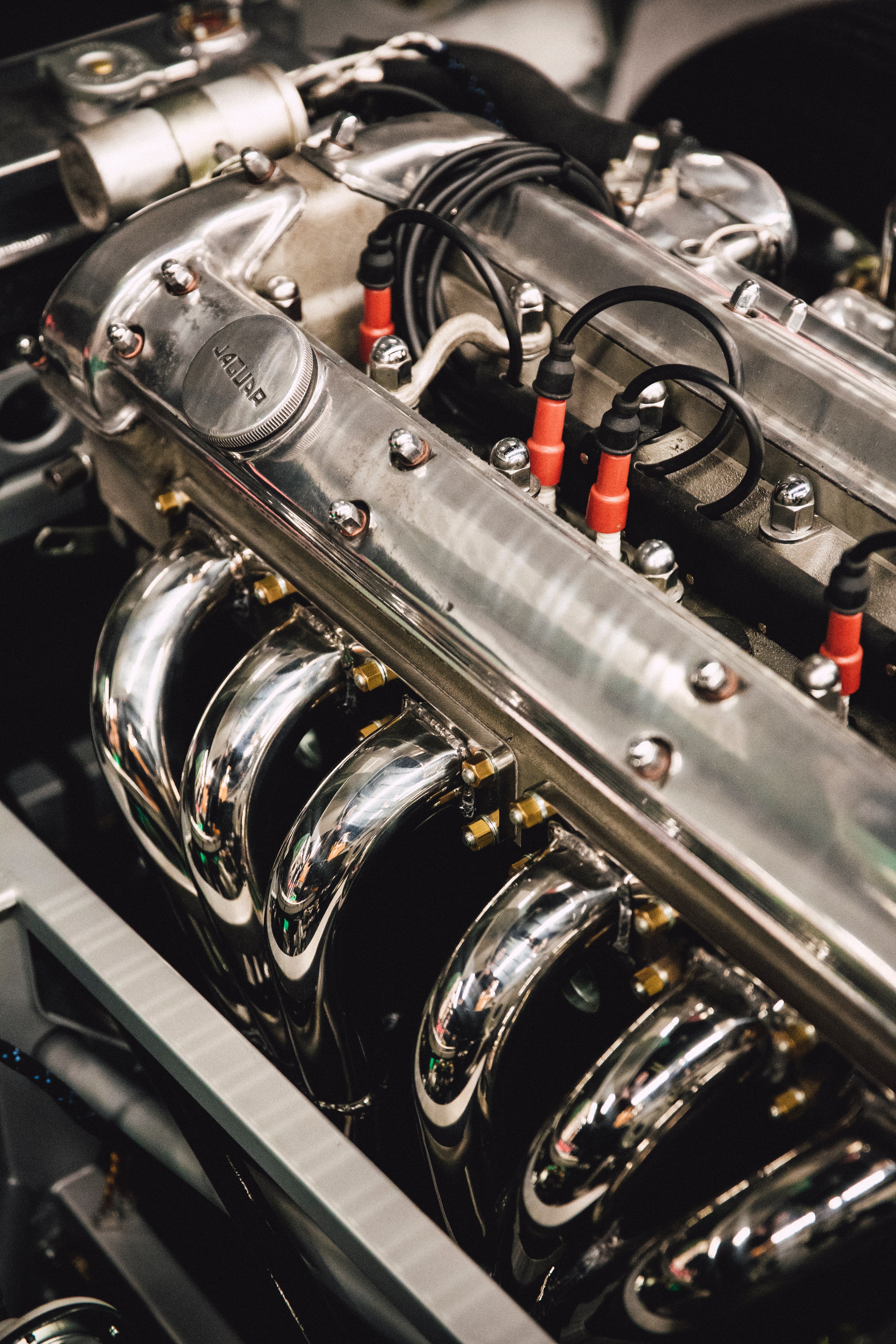
Your car's engine is a very hot place, and it's filled with components that can be damaged by high temperatures. To keep your engine running efficiently and protect vital parts from damage, your car has a cooling system. The radiator is the most important part of this system, but as with any mechanical component, it can get damaged. As your Toyota dealer, we'd like you to know some signs that you'll need a radiator repair. Do You Need a Radiator Repair at Your Toyota Dealer? Engine Temperature Is Too High Your engine runs hot due to combustion and the constant high-speed movement of countless parts. Your engine's normal operating temperature is between 195F and 220F. Although this sounds hot, it's the right temperature for your engine to operate efficiently. If the heat generated by your engine isn't removed, however, the temperature will rise far above the safe level. This will result in serious engine damage. When your engine temperature rises over 185F, coolant is released to control the engine temperature. This coolant will absorb the heat and carry it to the radiator for cooling. If your engine temperature is rising noticeably, this means there must be a fault in the cooling system. Call our service department, and our highly-trained technicians will investigate and fix the problem. more Damaged Thermostat The thermostat is a small valve with a big function. The thermostat controls the flow of coolant in your engine. Once the engine temperature hits 185F, the thermostat notes the temperature and opens to release coolant. The water pump activates and pumps the coolant through your engine at high speed. As the coolant passes through your engine, it absorbs the engine's heat. When the temperature drops below 185F, the coolant returns to the tank, and the valve closes. If the thermostat fails, it will jam in a closed or open position. If the thermostat jams closed, no coolant will be released regardless of the engine temperature. Your engine temperature will start to rise rapidly and your engine can quickly begin overheating. If the thermostat jams open, coolant will be continually released. The coolant will rapidly reduce your engine temperature, but it will become inefficient. Broken Thermal Switch When coolant is released into your engine, it absorbs the heat and carries it to the radiator. In the radiator, the hot coolant enters rows of thin fin-like tubes. Air blowing in through the radiator grille blows across the tubes and cools the liquid inside them. The faster your car is moving, the faster the airflow through the grille and the quicker the coolant is cooled. When your car is idling, there's very little air movement. To keep your engine from overheating, there's a fan attached to the back of your radiator. This fan will come on and blow over the tubes from behind to cool them. The thermal switch controls the fan, and if it fails the fan won't come on. If your car seems to be running hotter than it should, call us right away at Cloninger Toyota.