


Blog / Tires

Blog

All Tires Things To Do Cloninger Toyota Salisbury NC Salisbury Toyota Dealer Salisbury Toyota Service Restaurants Cloninger Toyota Service Salisbury 2022 Toyota 2023 Toyota Family Fun Parks 2022 Local Businesses NC 2020 Toyota Locally-Owned Shops Museum 2020 2021 2021 Toyota Prius Prime Hiking Trails Kid-Friendly Takeout Toyota Toyota Parts Transportation 2021 Toyota Corolla Hybrid Boone's Cave Park Cafe Car Battery Delivery Holiday Shopping Iconic Landmarks Landmarks safety features Salisbury Historic District Salisbury Used Cars Things to Do Near Salisbury, NC Transmission Service 2020 Toyota Camry 2020 Toyota Prius 2020 Toyota RAV4 2021 Toyota Avalon Hybrid 2021 Toyota Camry 2021 Toyota Camry Hybrid 2021 Toyota Corolla 2021 Toyota Corolla Hatchback 2021 Toyota Highlander 2021 Toyota Highlander Hybrid 2021 Toyota Prius 2021 Toyota RAV4 2021 Toyota Sienna 2021 Toyota Supra 2021 Toyota Tacoma 2021 Toyota Venza 2022 Toyota Highlander 2022 Toyota Sienna 2022 Toyota Supra 2022 Toyota Tacoma 2023 Toyota Sienna Barbecue Burger Restaurants Catawba Science Center Chinese Food Fitness Fuel Efficiency Grill ice cream ice cream spots Mexican Restaurants North Carolina Zoo Old Stone House Shopping in Salisbury Toyota Camry Toyota Camry Hybrid Toyota Tacoma
Photo by Karolina Grabowska

Time for New Tires? Visit Your Salisbury Toyota Dealer Today

Over their life, your tires are subject to friction, heat, cold, water, and numerous other conditions. Modern tires are more advanced and stronger than ever, but they will still wear out. Worn tires can affect your braking and increase wear on other components. When you need replacements, your friendly Toyota dealer can fit them. These are a few signs that it's time for new tires. Time for New Tires? Visit Your Salisbury Toyota Dealer Today Your Tread Is Low The tread on your tires is the raised pattern section in contact with the surface. Each manufacturer has different patterns for the tread, but all serve the same purpose. The tread's purpose is to provide your tires with a sure grip on the surface. This allows you to drive with the confidence that your Toyota will respond just as it's designed to. more Since the tread is raised its subject to abrasion. As you drive, small sections of the rubber slowly flake off. As the tread wears down, its grip on the surface will become less stable. A reduced tread will also increase your fuel consumption, as a lack of tread creates resistance when you drive. When we replace the worn tires, these problems will disappear. You Have a Slow Leak Tires lose some air pressure each month, and this is normal. The loss is due to the interior pressure of the tires trying to balance with the exterior air pressure. On average, each tire will lose 1 to 3 pounds per square inch (psi) per month. In addition, external temperature changes will also cause your tie pressure to fluctuate. Every 10 F drop in temperature will reduce tire pressure by 2psi. If your tires seem to be losing air faster than this, you could have a slow leak. A nail or other sharp object may have punctured your tire, and the air is slowly leaking out. Sometimes if you examine your tires you'll see a puncture mark. Our technicians can examine your tires and either plug the leak or replace them, depending on the damage. Your Tread Is Separating Your tires are composites, built from a steel belt supported by polymer belts, then covered in a different layer of rubber and vulcanized. Tread separation can occur due to extreme damage to a tire. When this happens, the tread layers with the steel and polymer bands start to separate from the remainder of the tire. Tread separation is easy to see, and it's very dangerous as the tire becomes structurally unstable. If you have a tire or tires that are separating, come and see us ASAP as we need to replace them for you. If you're having a problem with your tires, come see us at Cloninger Toyota.
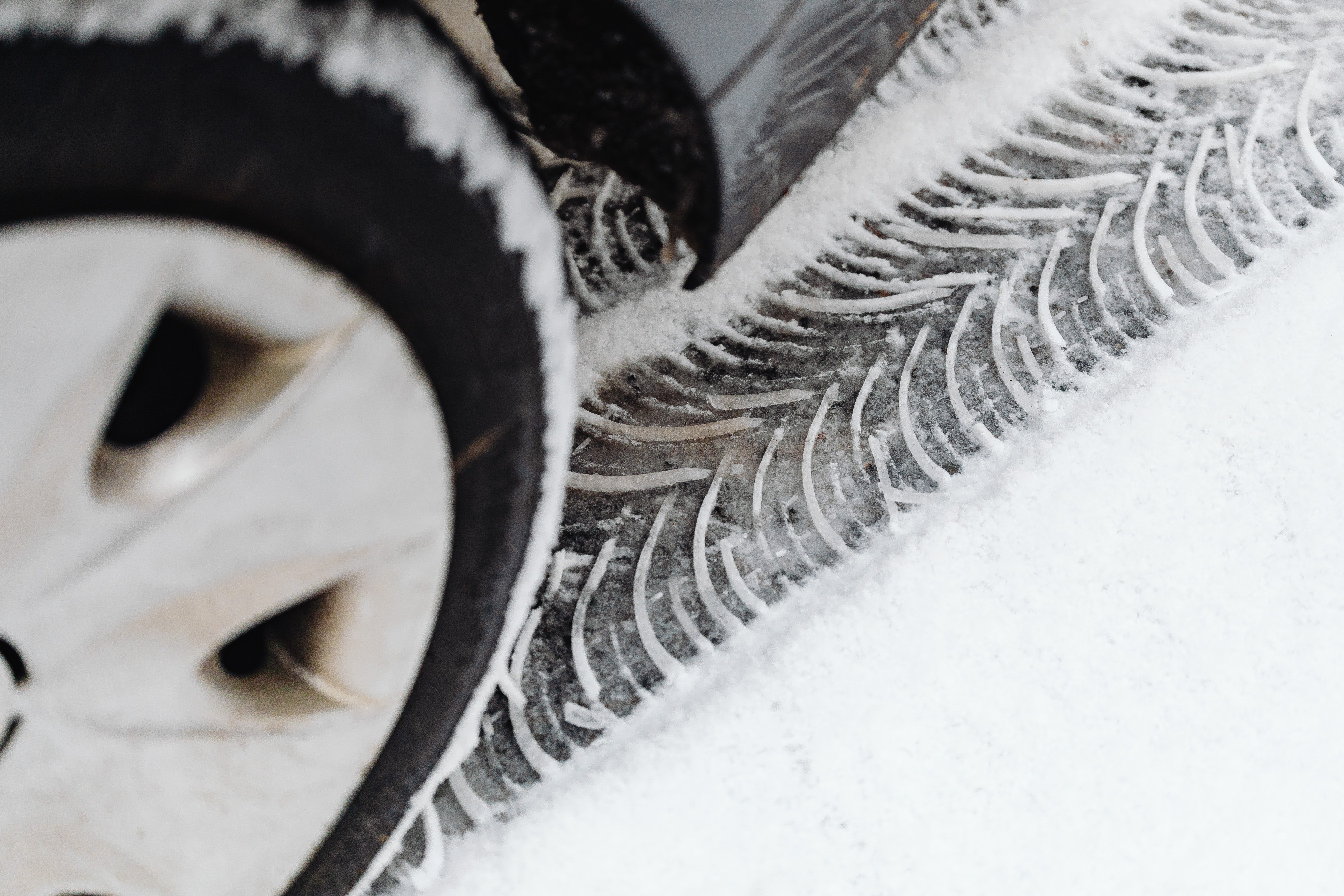
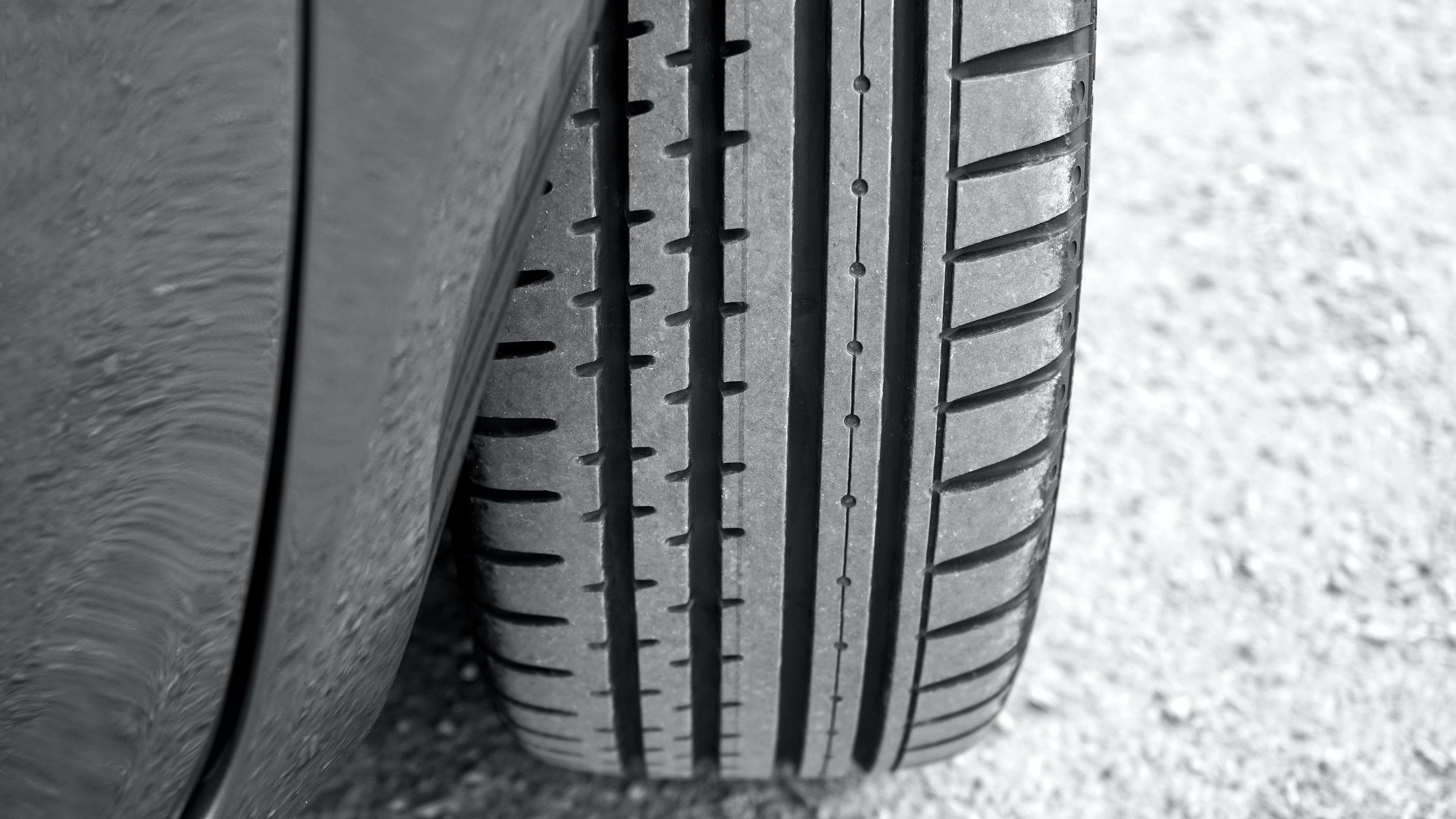
Photo by Mike B

4 Benefits of Getting a Tire Rotation

Your tires are necessary when it comes to getting you from one place to another. If you don't maintain these components, you could find yourself broken down on the side of the road. Taking the time to take care of your tires is imperative. There are benefits to getting a tire rotation at your Toyota dealer. 4 Benefits of Getting a Tire Rotation at a Toyota Dealer 1. You'll Ensure Even Wear of the Tires All of your tires are touching the road at the same time, so you might think that they are all wearing down the same, but this isn't true. Each one will wear in a different way, and this will impact how your car drives and handles. When you rotate your tires, you'll even the wear patterns and ensure that each one wears the same as the others. more 2. You'll Improve the Ride and Safety Uneven wear means that the tread isn't connecting with the road equally. This could increase the number of bumps you feel, as well as make it more challenging to stop or turn on the road's surface. Rotating your tires on a regular basis not only keeps you safe but makes the ride smoother as well.   In addition to feeling more bumps in the road, uneven tread wear could increase vibrations on smooth surfaces—and you're going to feel those in your steering wheel. Not only could this cause discomfort when you're driving, but you may also lose your grip. If you aren't holding on to the steering wheel, this could create a dangerous situation for you and others on the road. 3. You Can Reduce Road Noise Tires with uneven tread wear can become incredibly loud while driving down the road. If you want to enjoy peace and quiet or be able to hear your music without having to turn it super loud to drown out the sounds from your tires, get them rotated on a regular basis. 4. You'll Save Money Rotating your tires so that they wear evenly means you don't have to replace them as often, and this will save you a lot of money. You'll also save yourself time and effort because you can get all of the tires replaced at one time, rather than having to go back to replace these components one at a time.   Rotating your tires is part of car maintenance, and it should be done on a regular basis. How often you need to have your tires rotated will depend on several factors, including how frequently you drive, the road surfaces you drive on, and the type of tire you have. If you need your car serviced or are ready to shop for a new one, visit Cloninger Toyota today.

How_to_Change_a_Tire_in_6_Simple_Steps_637502745819501956_Salisbury_Cloninger Toyota

How to Change a Tire in 6 Simple Steps

Few things on the road are more frustrating than dealing with a suddenly defective tire. Learning how to change a tire can become one of the most valuable skills you acquire as a driver. Read on for tire changing made easier. more 1. Locate the Essentials After you pull over to a safe preferably flat location off the main road, a tire change necessitates a few key items. A properly inflated spare will usually be stored in the trunk for a regular vehicle. Sometimes, it is affixed under or on the backside of a larger vehicle like an SUV or truck. Other must-haves include a lug wrench, a jack, wheel wedges, a flashlight, a pressure gauge, an inflator, and 15 to 30 minutes of time. 2. Lift the Vehicle To keep the vehicle stable and secure, you should engage the parking brake and put wheel wedges against the wheels opposite the flat tire. You will place the jack beside the flat tire. Before you raise the car, however, remove the wheel cover from the flat tire and loosen the lug nuts with your wrench. Then, you can jack up the car until the tire is about six inches off the ground. 3. Remove Flat Tire At this point, you can fully take off the lug nuts. They should be placed out of your workspace but easily located. This step will allow you to remove the flat tire by pulling it until it comes off the hub. The flat should also be moved away from your working area. 4. Put on the Spare Take note of the wheel bolts and align them with the spare tire's rim. Once you have mounted the spare into its proper place, reinstall the lug nuts you have set aside. You should tighten each nut clockwise and by hand until it is secure, but do not fully tighten them yet. To ensure evenness in the mount, tighten the nut across from the one on which you are working, moving around in a star pattern until you are finished. 5. Lower the Vehicle Using the jack, move the vehicle back to ground-level. Do not completely lower the vehicle at first, though. Instead, make sure the spare is grazing the ground. Before sitting the vehicle so that its full weight is on the surface, finish tightening the lug nuts (with your wrench if needed). Once all the lug nuts are tightly secured, reattach the wheel cover and finish lowering the vehicle. 6. Check Pressure Use your gauge to make sure the pressure in the new tire is good. If the tire needs air, add it with your inflator. Drive slowly for assistance at a gas station if you do not have access to an inflator. After you have stored your equipment, you are good to go…for now. Spare tires are a vital temporary fix, but they are often not ideal for longer stints on the road. If you need help, contact us at Cloninger Toyota for superior service that will navigate you out of any roadway emergency.

Contact Us

Fill out this form below and we'll contact you shortly
*Required Fields