
Blog / Salisbury Toyota Service

Blog

All Salisbury Toyota Service Things To Do Cloninger Toyota Salisbury NC Salisbury Toyota Dealer Restaurants Cloninger Toyota Service Salisbury 2022 Toyota 2023 Toyota Family Fun Parks 2022 Local Businesses NC 2020 Toyota Locally-Owned Shops Museum 2020 2021 2021 Toyota Prius Prime Hiking Trails Kid-Friendly Takeout Tires Toyota Toyota Parts Transportation 2021 Toyota Corolla Hybrid Boone's Cave Park Cafe Car Battery Delivery Holiday Shopping Iconic Landmarks Landmarks safety features Salisbury Historic District Salisbury Used Cars Things to Do Near Salisbury, NC Transmission Service 2020 Toyota Camry 2020 Toyota Prius 2020 Toyota RAV4 2021 Toyota Avalon Hybrid 2021 Toyota Camry 2021 Toyota Camry Hybrid 2021 Toyota Corolla 2021 Toyota Corolla Hatchback 2021 Toyota Highlander 2021 Toyota Highlander Hybrid 2021 Toyota Prius 2021 Toyota RAV4 2021 Toyota Sienna 2021 Toyota Supra 2021 Toyota Tacoma 2021 Toyota Venza 2022 Toyota Highlander 2022 Toyota Sienna 2022 Toyota Supra 2022 Toyota Tacoma 2023 Toyota Sienna Barbecue Burger Restaurants Catawba Science Center Chinese Food Fitness Fuel Efficiency Grill ice cream ice cream spots Mexican Restaurants North Carolina Zoo Old Stone House Shopping in Salisbury Toyota Camry Toyota Camry Hybrid Toyota Tacoma
catalytic converter 3

3 Signs Your Toyota Needs a New Catalytic Converter

The invention of the catalytic converter made it possible for us to reduce the number of harmful emissions we release while still enjoying the benefits of car ownership, and these days the device is an expected inclusion in your fuel system. If your converter has become aged or damaged, you're sure to see some negative side effects. Check this list for the common signs before visiting your Toyota dealer for an upgrade. 3 Signs Your Toyota Needs a New Catalytic Converter 1. Spending Too Much Money on Gas Nobody likes having to spend money at the pump to refill their tank, but it's even worse when you find yourself filling up more and more often while running out of fuel at a faster rate. If your catalytic's filtration layer has become clogged, that's just the situation you could find yourself in. more During normal use, the converter's inner film can become coated in deposits and not allow proper air passage. This results in improper combustion of fuel, meaning some of the gas is wasted each time you press down on the pedal. A quick visit to a dealer can let you know whether it's time to have the device cleaned or replaced. 2. Reduction in Expected Horsepower We like our vehicles to speed up nicely when overtaking in a lane or merging onto the highway, and it's horribly unsatisfying when you're pressing on the gas but getting no reaction from the engine. This is yet another potential result of a clogged converter. As we discussed earlier, when the converter isn't working properly the fuel-to-air ratio isn't able to reach the proper mixture level and gas is wasted. When discussing acceleration, the lack of proper combustion means you will experience a delay between when you wanted to speed up and when it actually happens. 3. Roaring and Rattling A damaged or absent converter can result in all sorts of strange noises from your vehicle. If you're hearing a metallic rattling when you turn the ignition key, and maybe even while you're driving, that could be a sign that an inner component of the catalytic has broken loose and is clanging about from the vibration of the engine. Roaring, on the other hand, only occurs when the device is completely gone. If your converter is missing, the engine will become obnoxiously loud, especially when accelerating. Even when left idle, a vehicle without a catalytic will reach a volume that most find unpleasant. Wanting to keep the air breathable and the environment clean is a no-brainer, and keeping your converter functional is an easy way to ensure you're contributing to the safety of your community. Come to Cloninger Toyota today to have your catalytic assessment and receive an upgrade that brings you all the benefits of a healthy fuel system.
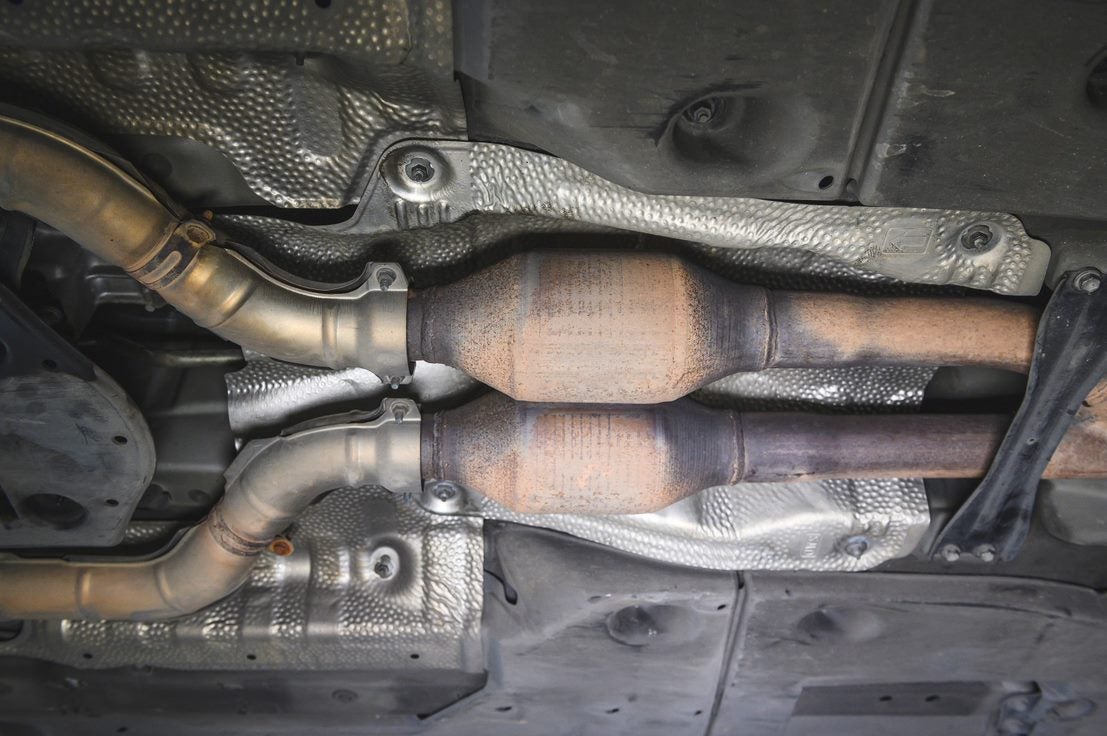
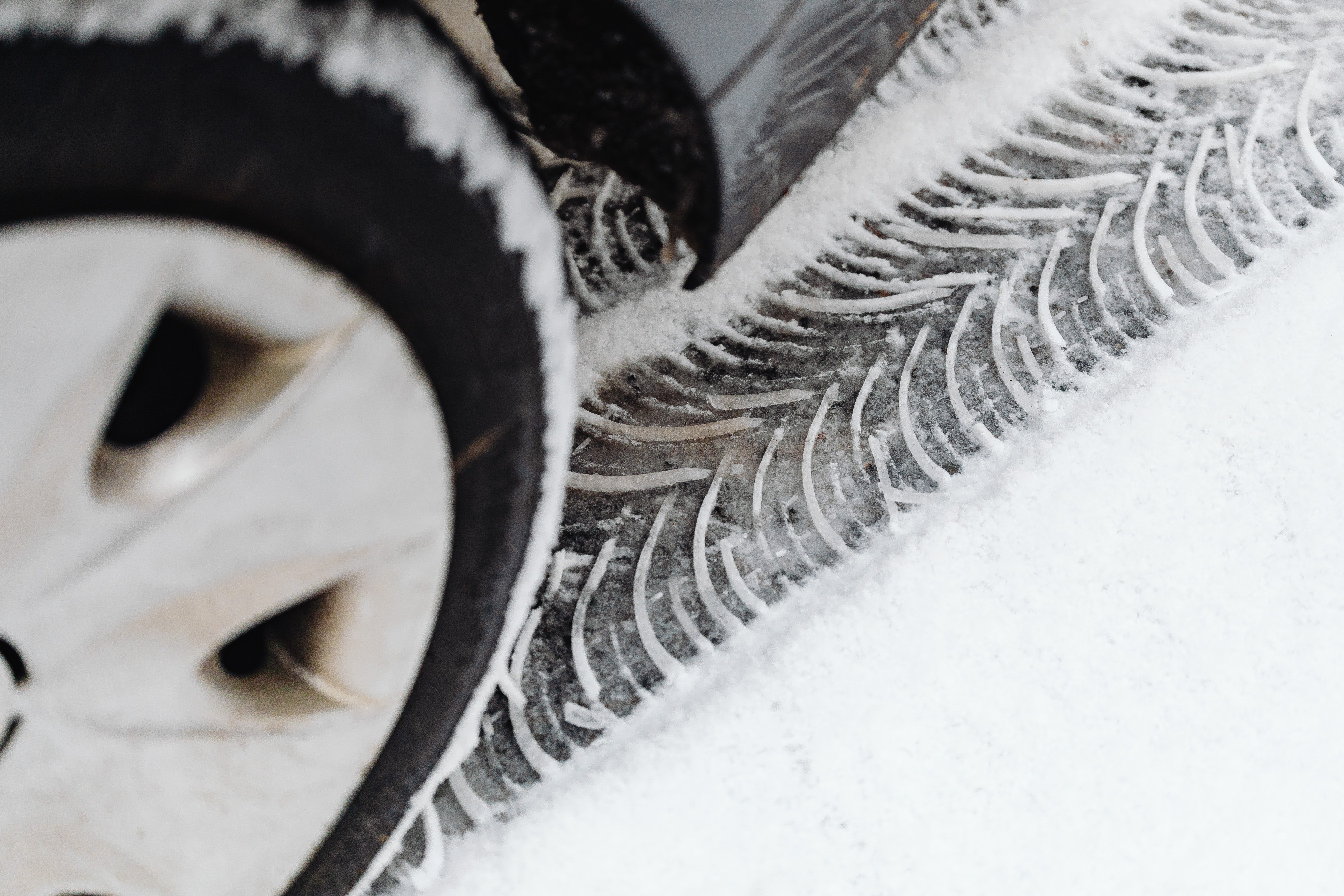
Photo by Karolina Grabowska

Time for New Tires? Visit Your Salisbury Toyota Dealer Today

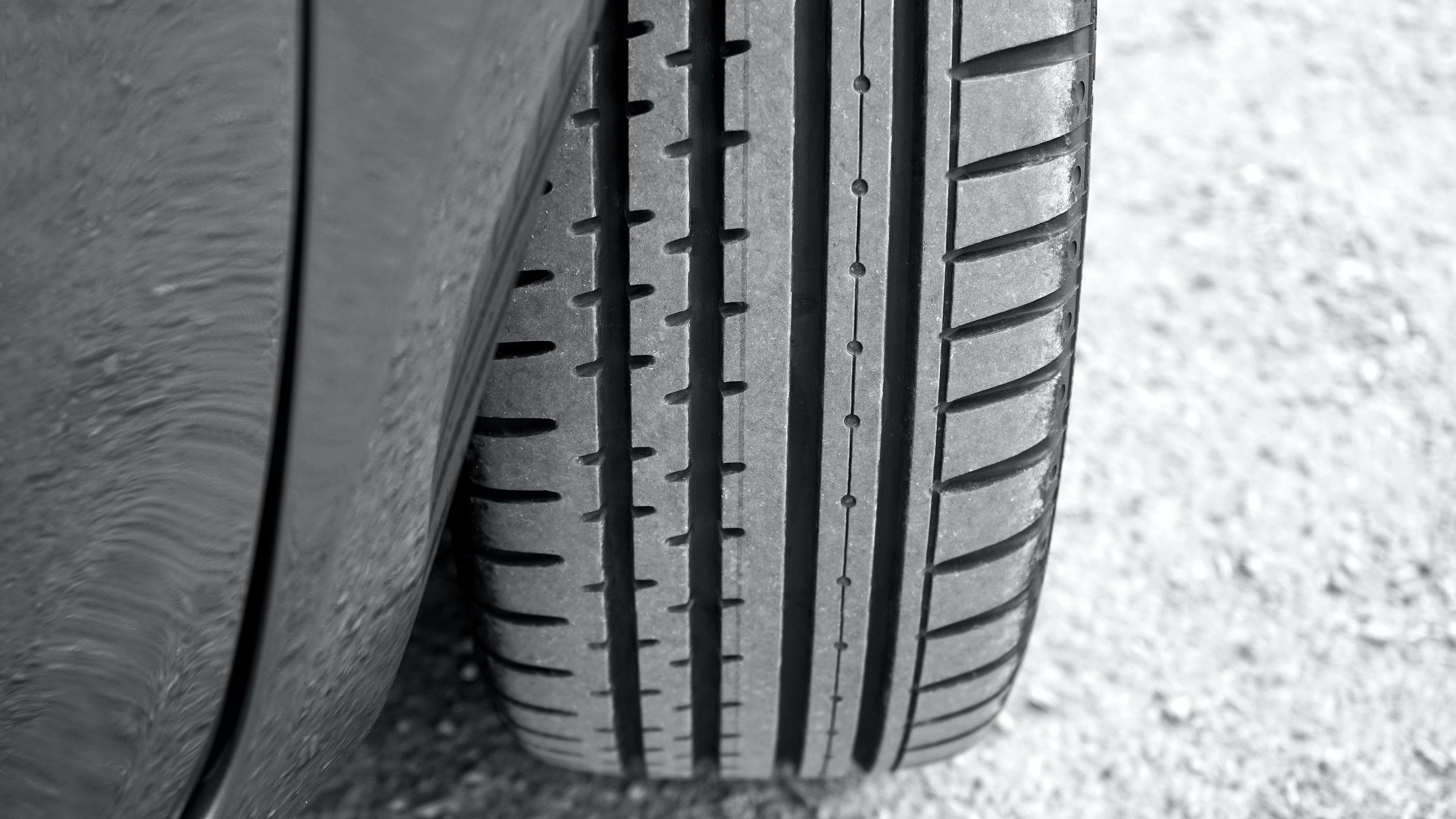
Over their life, your tires are subject to friction, heat, cold, water, and numerous other conditions. Modern tires are more advanced and stronger than ever, but they will still wear out. Worn tires can affect your braking and increase wear on other components. When you need replacements, your friendly Toyota dealer can fit them. These are a few signs that it's time for new tires. Time for New Tires? Visit Your Salisbury Toyota Dealer Today Your Tread Is Low The tread on your tires is the raised pattern section in contact with the surface. Each manufacturer has different patterns for the tread, but all serve the same purpose. The tread's purpose is to provide your tires with a sure grip on the surface. This allows you to drive with the confidence that your Toyota will respond just as it's designed to. more Since the tread is raised its subject to abrasion. As you drive, small sections of the rubber slowly flake off. As the tread wears down, its grip on the surface will become less stable. A reduced tread will also increase your fuel consumption, as a lack of tread creates resistance when you drive. When we replace the worn tires, these problems will disappear. You Have a Slow Leak Tires lose some air pressure each month, and this is normal. The loss is due to the interior pressure of the tires trying to balance with the exterior air pressure. On average, each tire will lose 1 to 3 pounds per square inch (psi) per month. In addition, external temperature changes will also cause your tie pressure to fluctuate. Every 10 F drop in temperature will reduce tire pressure by 2psi. If your tires seem to be losing air faster than this, you could have a slow leak. A nail or other sharp object may have punctured your tire, and the air is slowly leaking out. Sometimes if you examine your tires you'll see a puncture mark. Our technicians can examine your tires and either plug the leak or replace them, depending on the damage. Your Tread Is Separating Your tires are composites, built from a steel belt supported by polymer belts, then covered in a different layer of rubber and vulcanized. Tread separation can occur due to extreme damage to a tire. When this happens, the tread layers with the steel and polymer bands start to separate from the remainder of the tire. Tread separation is easy to see, and it's very dangerous as the tire becomes structurally unstable. If you have a tire or tires that are separating, come and see us ASAP as we need to replace them for you. If you're having a problem with your tires, come see us at Cloninger Toyota.

Photo by Dave Morgan

3 Engine Problems You Should Always Fix at Your Toyota Dealer

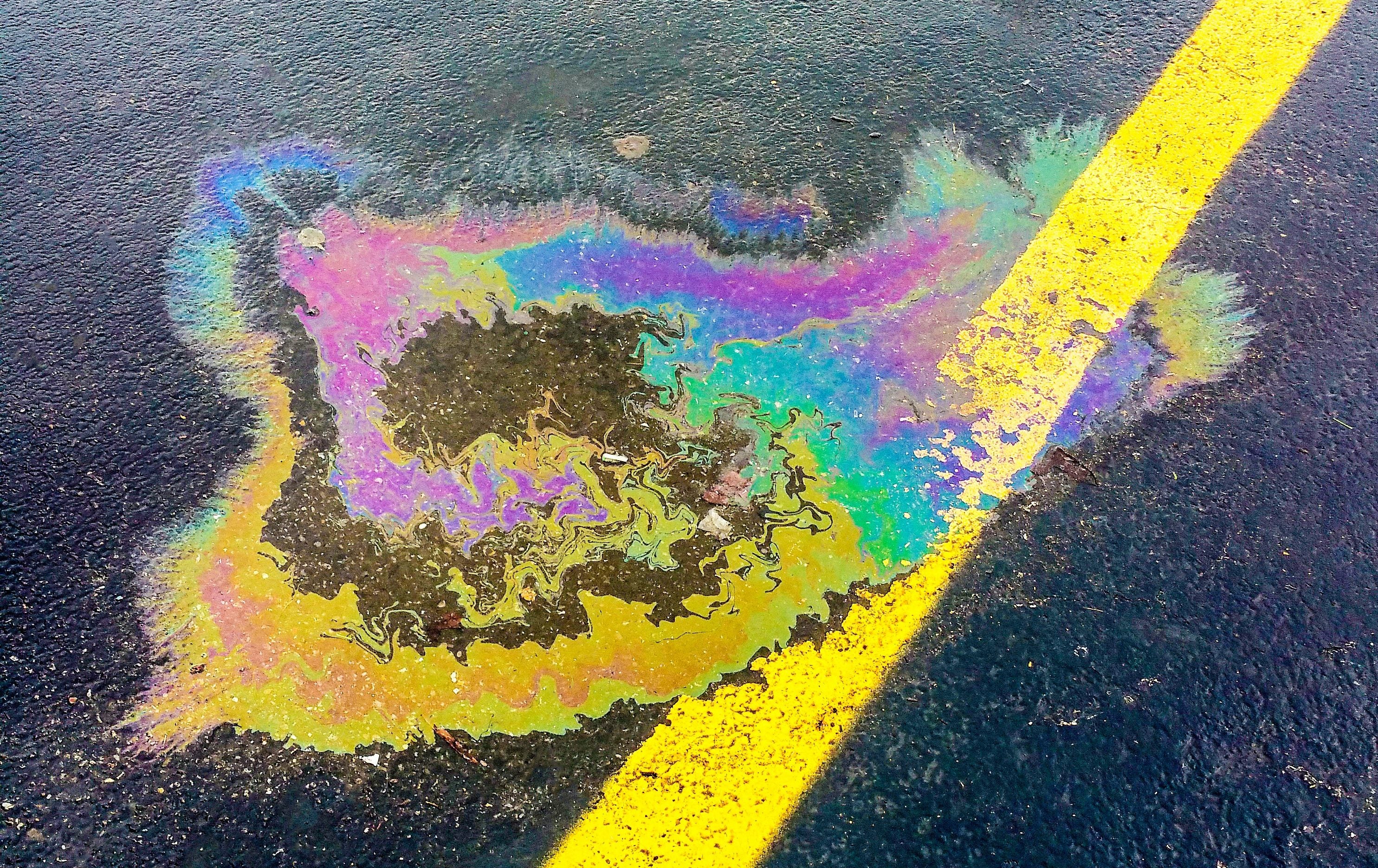
Engine problems can have many different causes. As a rule, each problem starts as a minor inconvenience. Over time, if the problem isn't fixed, it will become larger and more of a problem. The key to reducing problems in the engine is regular servicing according to your car's service schedule. As your Toyota dealer, we'd like to advise you on some problems that could appear. 3 Engine Problems You Should Always Fix at Your Toyota Dealer Blocked Converter The catalytic converter has been a part of automobile life in the US since 1975. A converter's job is to change dangerous, toxic engine gases into harmless ones. This process reduces airborne pollution and allows your engine to operate more efficiently. A converter changes the gases using high pressure, intense heat, and chemical reactions with the platinum inside the converter. more A converter can become blocked by carbon buildup. This carbon is produced as a byproduct of combustion and the breakdown of toxic gases in the converter. A blockage in the converter prevents the exhaust gases from escaping. These gases are forced back into your engine, which increases the fuel-to-air ratio. This can lead to damaged spark plugs, stalling issues, and other engine issues. Damaged Alternator The alternator is the most important part of your car's electrical system. It produces the electricity that your car's systems demand. Unfortunately, as your alternator ages, it wears down and generates less electricity. This is a gradual process, but once it begins, it can't be reversed. The reduced power supply will eventually affect your battery life, cause strange electrical glitches, and an assortment of electrical problems. In the final stages of a worn alternator, even priority systems like spark plugs can lose power. Our technicians will test your alternator, and we can easily replace it if it's showing signs of failure. Oil Leaks Oil is essential for your engine. It flows through the engine and helps to cool the hot components. It also applies a film of oil around the various parts to protect them against friction damage. Leaking oil can increase your engine temperature as its cooling effect is reduced. Various engine components will start to make grinding noises as the friction barrier provided by the oil disappears. There are several places oil can leak from, including the sump pan, a rusted oil filter, a rusted or dented oil pan, or a worn valve cover gasket. Our technicians are experts at tracing leaks, and we'll quickly find and fix the source of the leaking oil. Once the leak is repaired, we'll refill your oil. If your engine doesn't seem to be running as smoothly as it should, call our service department at Cloninger Toyota. Our highly-trained technicians will swiftly repair the problem.

Photo by Kaboompics .com

Did Your Toyota's Car AC Stop Working? Visit Your Dealership Today

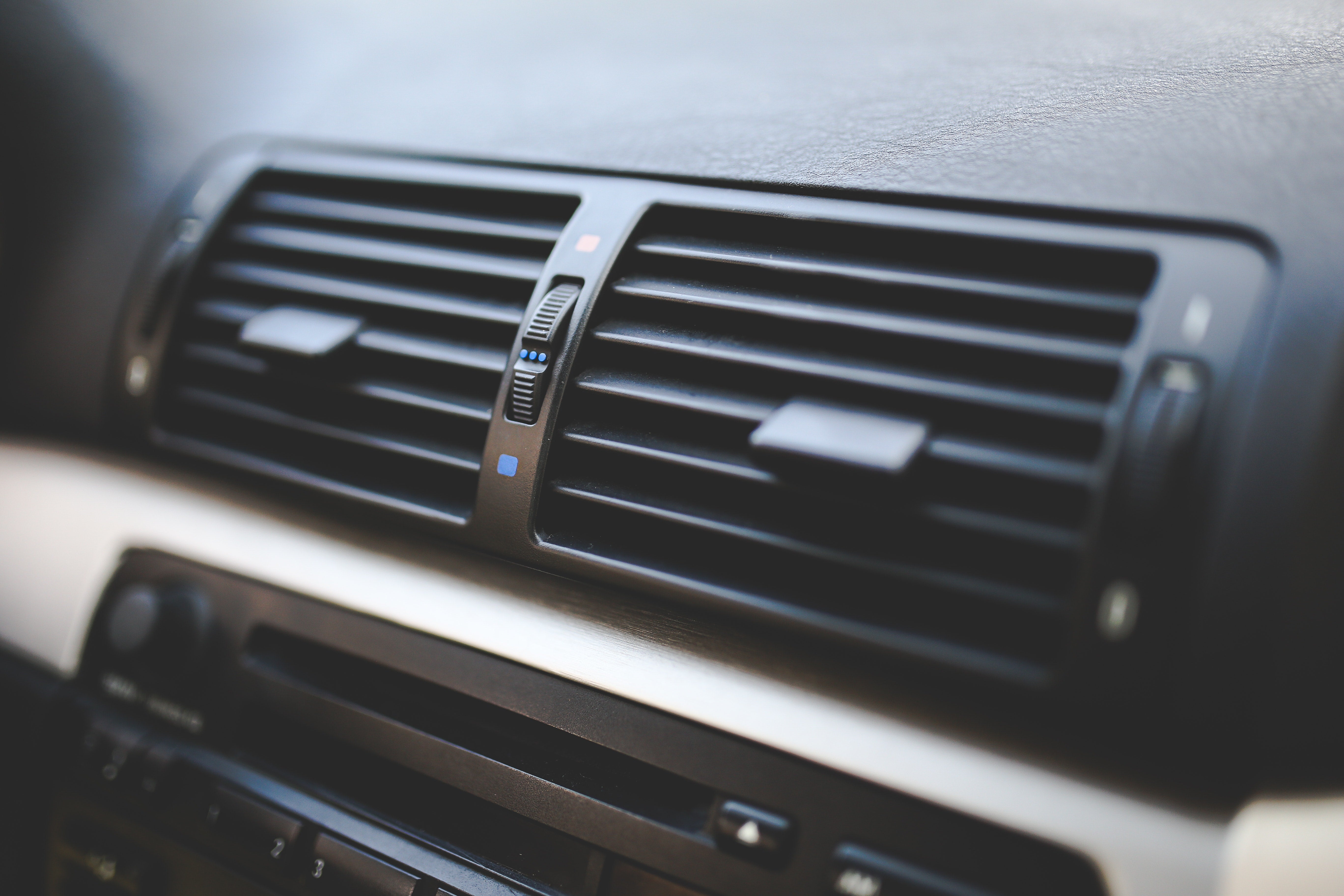
When you're driving home after a hot day, the last thing you want to deal with is a broken car AC. Unfortunately, car air conditioners can sometimes break down, leaving you and your family trapped in the sweltering heat. If you find your car AC not working, here at Cloninger Toyota, we've put together a list of possible causes and how you can resolve them. Mold and Mildew Mold and mildew thrive in wet environments, and moisture often builds up in and around air conditioning units. If you keep the car AC on for a long time, the built-up moisture can cause these microorganisms to grow in and around the air conditioning unit, which can block the AC vents and affect the cooling procedure. When this issue happens, no matter how much you try, the vents won't work properly. A moldy smell may be a sign that a mold and mildew clog is the cause of your air conditioning problems. more Faulty AC Blower A faulty AC blower is another possible cause of a failing car air conditioner. The blower can wear out over time, resulting in subpar performance. You can check whether or not your blower is the issue by placing your palm near the blower and feeling the airflow. If the airflow is poor, chances are your car AC's blower has been compromised. Clogged Cabin Air Filter If all else seems to check out, but your Toyota's AC still isn't producing enough cool air, it may be because of a clogged cabin air filter. The cabin air filter can become clogged by debris such as dust and leaves, preventing the flow of cool air. In such cases, you'll need to remove and clean your Toyota's cabin air filter to resolve your air conditioning problem. Your Local Toyota Dealer Can Help Resolve Issues With Your Car AC Not Working If isolating mold and mildew, fixing a blower issue, or removing and cleaning your cabin air filter seems like quite a challenge to you, then know that you're not alone. Whether you're driving a 2022 Toyota Corolla, a 2022 Toyota Camry, or anything in between, your local Toyota service center is standing by with the tools and expertise to resolve these issues and more. For added convenience, these specialists are often just a call or click away. As you can see, from mold and mildew to a faulty blower or clogged cabin filter, there are plenty of reasons why your Toyota's AC can fail, and determining the cause can be challenging if you go it alone. Fortunately, that doesn't have to be the case. To get rid of your AC problems, stop by Cloninger Toyota today!

Photo by Mike B

4 Benefits of Getting a Tire Rotation

Your tires are necessary when it comes to getting you from one place to another. If you don't maintain these components, you could find yourself broken down on the side of the road. Taking the time to take care of your tires is imperative. There are benefits to getting a tire rotation at your Toyota dealer. 4 Benefits of Getting a Tire Rotation at a Toyota Dealer 1. You'll Ensure Even Wear of the Tires All of your tires are touching the road at the same time, so you might think that they are all wearing down the same, but this isn't true. Each one will wear in a different way, and this will impact how your car drives and handles. When you rotate your tires, you'll even the wear patterns and ensure that each one wears the same as the others. more 2. You'll Improve the Ride and Safety Uneven wear means that the tread isn't connecting with the road equally. This could increase the number of bumps you feel, as well as make it more challenging to stop or turn on the road's surface. Rotating your tires on a regular basis not only keeps you safe but makes the ride smoother as well.   In addition to feeling more bumps in the road, uneven tread wear could increase vibrations on smooth surfaces—and you're going to feel those in your steering wheel. Not only could this cause discomfort when you're driving, but you may also lose your grip. If you aren't holding on to the steering wheel, this could create a dangerous situation for you and others on the road. 3. You Can Reduce Road Noise Tires with uneven tread wear can become incredibly loud while driving down the road. If you want to enjoy peace and quiet or be able to hear your music without having to turn it super loud to drown out the sounds from your tires, get them rotated on a regular basis. 4. You'll Save Money Rotating your tires so that they wear evenly means you don't have to replace them as often, and this will save you a lot of money. You'll also save yourself time and effort because you can get all of the tires replaced at one time, rather than having to go back to replace these components one at a time.   Rotating your tires is part of car maintenance, and it should be done on a regular basis. How often you need to have your tires rotated will depend on several factors, including how frequently you drive, the road surfaces you drive on, and the type of tire you have. If you need your car serviced or are ready to shop for a new one, visit Cloninger Toyota today.

Photo by Jeff Burkholder

How to Find a Quality Collision Repair for Your Toyota

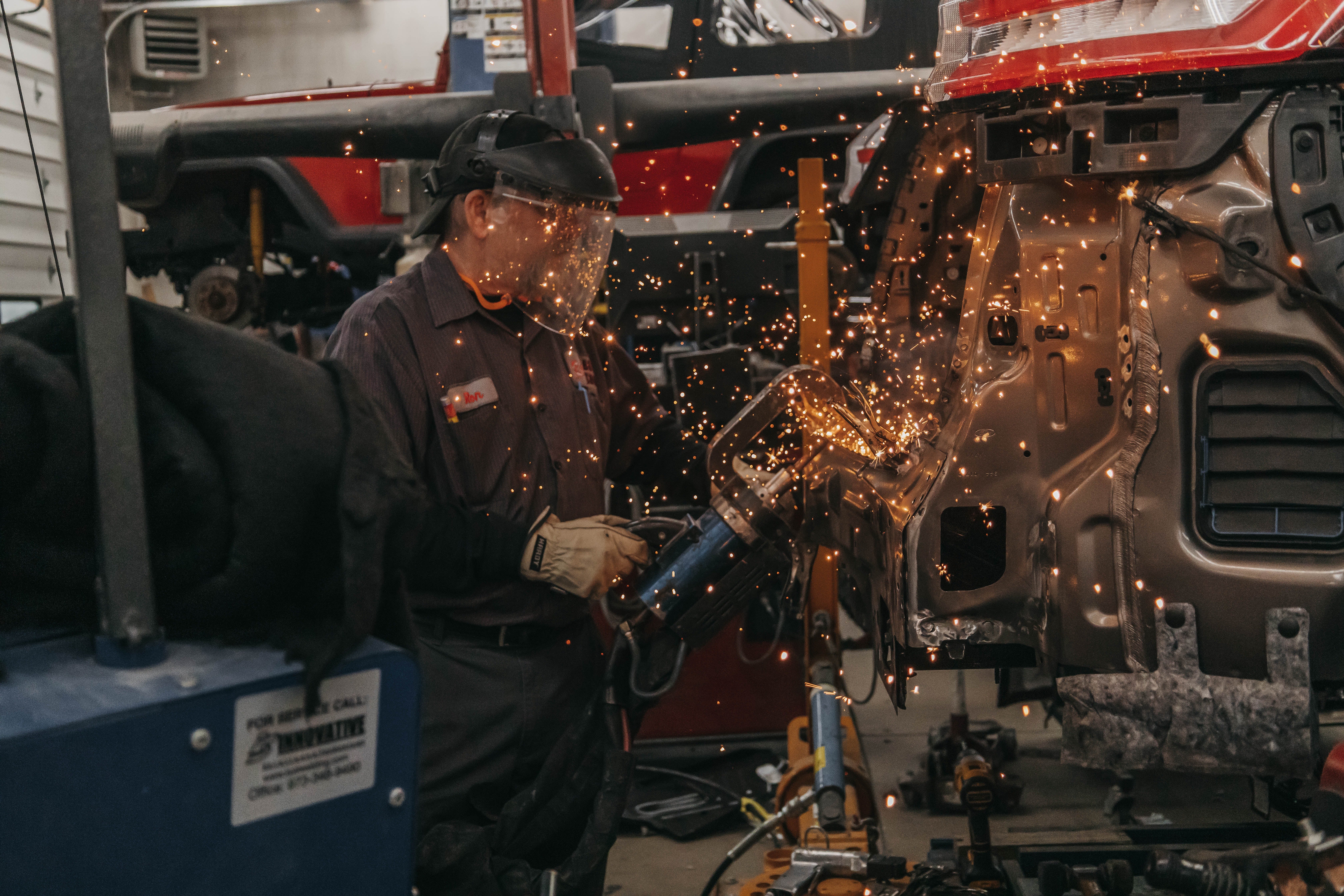
How to Find a Quality Collision Repair for Your Toyota There's no doubt about it, getting in a car accident can really interfere with your life. Suddenly you don't have a way to get from point A to point B, so you must make arrangements to be able to do so! And on top of this, you need to find a place where you can get quality collision repair. Luckily, we have some tips for you! And our first one is to visit your Toyota dealer. Need Collision Repair? Come by Your Toyota Dealer! Inspect the Damage After a crash, the first thing you need to do is make sure you're okay. Also, check on any passengers you have in your vehicle and the occupants of the other vehicle involved in the crash. If everyone is okay and your car seems to be in running shape, you still need to identify anything that may need to be fixed or replaced on your vehicle. more Some things are going to be easier to identify than others. For example, you can tell your door is dented or your windows are cracked after just a quick glance. But other things are more difficult to see. For example, you might not be able to tell that your frame is cracked. As such, you should bring it in and let Toyota mechanics take a thorough look at it and tell you what needs to be done. Ask Around If you have any friends, coworkers, neighbors, or family members who have been in an accident, they likely had work done on their car. You can read reviews of different repair shops online, but getting word-of-mouth advice is a great place to make sure you're going to a trustworthy repair shop. But we can say for sure that a Toyota repair shop will treat you fairly and give you lots of communication during the repair process. Ask Many Questions When you bring your car into the mechanic's shop, you might feel a little bit intimidated. If you don't know that much about cars, you might feel like the mechanic is speaking a different language when they tell you about what they need to do! To give you peace of mind and avoid misunderstandings, ask lot of questions. Toyota technicians are always happy to answer all of your questions. After all, it's your vehicle they're working on! And by asking them about what they're doing, you also will get the satisfaction of learning more about your car! If you need quality repair for your vehicle after a collision, don't wait, and don't stress! Come to Cloninger Toyota and our qualified specialists will help you get back on the road in no time at all.

Photo by Erik Mclean

Does Your Toyota Need a Transmission Repair?

A smooth-running transmission is as vital for your Toyota as a smooth-running engine. The engine and transmission work together to move your car. The engine provides the power, and the transmission translates this power into a usable form to move your wheels. Like all mechanical systems, the transmission can develop problems, and you'll need a transmission repair. As your Toyota dealer, we can repair any transmission problem. These are a few signs that you'll need a repair. Signs You Need a Transmission Repair at Your Toyota Dealer Fluid Leak Transmission fluid is the lifeblood of your transmission. The fluid reduces the transmission temperature and lubricates all of the moving parts. Many of the transmission parts depend on friction to work, and the fluid provides a friction barrier to protect these parts. This fluid also provides the hydraulic power that your gears need to shift easily. A fluid leak is usually easy to spot, as transmission fluid is bright or dark red. It can leak from a worn transmission pan gasket, a blown seal, or damage to the transmission cover. If the leak continues, your gears will become more difficult to shift, and your transmission will start to overheat. An overheating transmission can lead to serious damage. Our technicians can trace the leak and repair it. more Burning Smells Your transmission fluid needs to be replaced regularly according to your car's service schedule. The reason for this is transmission fluid gradually loses its special properties. As the fluid circulated through the transmission, it accumulates rust, dirt, and other debris. This accumulation of debris makes the fluid thicker and more sluggish. The slower-moving fluid leads to an increase in your transmission's temperature. The aging fluid will gradually lose its heat-resistant properties, and the increasing transmission temperature can cause the fluid to burn. Burning transmission fluid smells similar to burning rubber. If smell rubber burning, your fluid may need to be changed. Our technicians can check the fluid, flush your transmission if required, and replace the fluid. Driving Feels Unstable Your Toyota transmission should shift easily as you or your transmission computer shift gears. Over time, you may notice a jerk-like pull from your automatic transmission when the gears shift. This jerking movement starts gradually and will become more violent as time passes. As the problem becomes more serious, your transmission may shake as it shifts gears. A manual transmission produces grinding noises as you shift gears, and shifting becomes more difficult. One of the main causes of these problems is a lack of fluid. Our technicians can check the fluid and replace it. Your transmission will always show signs that something is wrong. If you have a transmission problem, call us ASAP at Cloninger Toyota.

Photo by Chevanon Photography

How to Find a Quality Collision Repair for Your Toyota

There's no doubt about it, getting in a car accident can really interfere with your life. All of a sudden you don't have a way to get from point A to point B, so you have to make arrangements to be able to do so! And on top of this, you need to find a place where you can get quality collision repair. Luckily, we have some tips for you! And our first one is to visit your Toyota dealer. Need Collision Repair? Come by Your Toyota Dealer! Inspect the Damage After a crash, the first thing you need to do is make sure you're okay. Also, check on any passengers you have in your vehicle and the occupants of the other vehicle involved in the crash. If everyone is okay and your car seems to be in running shape, you still need to identify anything that may need to be fixed or replaced on your vehicle. Some things are going to be easier to identify than others. For example, you can tell your door is dented or your windows are cracked after just a quick glance. But other things are more difficult to see. For example, you might not be able to tell that your frame is cracked. As such, you should bring it in and let Toyota mechanics take a thorough look at it and tell you what needs to be done. more Ask Around If you have any friends, coworkers, neighbors, or family members who have been in an accident, they likely had work done on their car. You can read reviews of different repair shops online, but getting word-of-mouth advice is a great place to make sure you're going to a trustworthy repair shop. But we can say for sure that a Toyota repair shop will treat you fairly and give you lots of communication during the repair process. Ask Many Questions When you bring your car into the mechanic's shop, you might feel a little bit intimidated. If you don't know that much about cars, you might feel like the mechanic is speaking a different language when they tell you about what they need to do! To give you peace of mind and avoid misunderstandings, ask lot of questions. Toyota technicians are always happy to answer all of your questions. After all, it's your vehicle they're working on! And by asking them about what they're doing, you also will get the satisfaction of learning more about your car! If you need quality repair for your vehicle after a collision, don't wait, and don't stress! Come to Cloninger Toyota and our qualified specialists will help you get back on the road in no time at all.

Photo by Mathias Reding

Time for a New Car Air Filter? Visit Your Salisbury Toyota Dealer

Your engine requires a huge amount of air. Your car air filter removes pollen, dirt, dead insects, and other debris. The filtered air then enters your engine where it's used for combustion. Your filter will eventually clog up and will need to be replaced. As your Toyota dealer, we can easily replace the filter for you. These are some of the signs that your filter needs to be changed. Signs You Need a New Car Air Filter From Your Toyota Dealer A Strong Smell of Gas When your engine is running normally, it doesn't produce any smell. If you start to smell a strong scent of gas, your air filter could be the problem. Combustion requires fuel, air, and a spark. Fuel enters the intake manifold when you step on the gas pedal and air enters through the air filter. These two substances mix in the manifold and are then injected into the cylinders. more If your air filter is blocked, it will prevent air from entering your engine. Without enough air, your engine will become fuel-rich, as there is more fuel than air in the system. The vapors from this excess fuel will blow into your cabin. This is also a sign that your engine is wasting gas. Once our technicians replace the filter, the smell of gas will disappear. Black Smoke from the Exhaust Black exhaust smoke is a sign that there's a large percentage of unburnt fuel being ejected from your engine. Combustion requires 14:1 air to fuel, but a blocked air filter will reduce the amount of air that enters your engine. Once the fuel-rich mix is injected into the cylinders, it's compressed before its ignited. A lack of air will also reduce the level of compression. The spark plugs require air to ignite correctly. If there isn't enough air, much of the fuel in the cylinders won't burn. The unburnt fuel is ejected from the cylinders and forced into the exhaust system. The unburnt fuel will exit the exhaust as thick black smoke. This smoke is hazardous as it contains a large percentage of polluting chemicals. Your Filter Is Dirty We check your air filter according to your car's service schedule. If you drive in areas with large amounts of dust or sand, your filter may need to be changed more frequently. The filter will start to block up as it accumulates dirt. You can check the condition of your filter by opening the filter box in your engine. If the filter looks brown or black, it's blocked and needs to be replaced. If you have any signs of an air filter problem, call us right away at Cloninger Toyota. We can speedily replace the filter for you.

Toyota Tire Rim Logo

5 Great Car Safety Features You'll Find on Today's Toyotas

In this day and age, having a safe, reliable vehicle is more important than ever. If you decide to get a Toyota from your local Toyota dealer, you'll be pleased to know that the researchers and developers at Toyota have made car safety features a priority. Today, we're taking a closer look at five of the greatest safety features that come standard on Toyotas today, including the 2022 Toyota Corolla. 5 Great Car Safety Features You'll Find on Today's Toyotas at Your Local Toyota Dealer 1.  Automatic High Beams One of the most beneficial safety features you will find on Toyotas today is automatic high beams. With this standard safety feature, your car's camera will detect the taillights and headlights of vehicles in front of you and automatically switch to low beams, so you don't blind anyone and cause a collision. more 2. Lane Departure Alert Another incredible standard safety feature found in today's Toyotas is the lane departure alert. If you do not indicate that you are changing lanes, your vehicle will alert you that you may be drifting out of your lane unintentionally. In addition to beeping at you, your digital display will give you a visual notification that you may be about to merge into another lane by accident. 3. Lane Tracing Assist Lane tracing assist is another way your Toyota will help you remain safe while driving. This feature is activated when you enable Dynamic Radar Cruise Control. It was designed to help you stay in your lane when the lane markers on the road are visible. In other words, it is perfect for keeping you safer when driving down the interstate for long stretches. 4. Dynamic Radar Cruise Control Dynamic Radar Cruise Control is a highly advanced form of cruise control that goes a very long way in mitigating the risk of a collision while your cruise control is set. Using this type of cruise control, you can tell your vehicle that you want to maintain a certain distance (like 100, 130, or 160 feet) from the vehicle in front of you. If the vehicle in front of you slows down, the highly advanced camera in your windshield will pick that up and slow your vehicle down to match its speed and keep you at your preferred safe following distance. 5. Pre-Collision System With Pedestrian Detection The pre-collision system with pedestrian detection is another highly effective safety feature that will help to keep you and those you share the road with safe. What's great about this system is that it doesn't just detect vehicles and pedestrians. It will also slow down for cyclists. There are a number of great safety features you can expect to find on your next Toyota, including automatic high beams, lane departure alert, and lane tracing assist. If you're in the market for a new vehicle, visit us today at Cloninger Toyota on Jake Alexander Blvd. We're sure we have something on our lot that will suit your needs.

Photo by Markus Spiske

Does Your Toyota Need a Radiator Repair?

Your car's engine is a very hot place, and it's filled with components that can be damaged by high temperatures. To keep your engine running efficiently and protect vital parts from damage, your car has a cooling system. The radiator is the most important part of this system, but as with any mechanical component, it can get damaged. As your Toyota dealer, we'd like you to know some signs that you'll need a radiator repair. Do You Need a Radiator Repair at Your Toyota Dealer? Engine Temperature Is Too High Your engine runs hot due to combustion and the constant high-speed movement of countless parts. Your engine's normal operating temperature is between 195F and 220F. Although this sounds hot, it's the right temperature for your engine to operate efficiently. If the heat generated by your engine isn't removed, however, the temperature will rise far above the safe level. This will result in serious engine damage. When your engine temperature rises over 185F, coolant is released to control the engine temperature. This coolant will absorb the heat and carry it to the radiator for cooling. If your engine temperature is rising noticeably, this means there must be a fault in the cooling system. Call our service department, and our highly-trained technicians will investigate and fix the problem. more Damaged Thermostat The thermostat is a small valve with a big function. The thermostat controls the flow of coolant in your engine. Once the engine temperature hits 185F, the thermostat notes the temperature and opens to release coolant. The water pump activates and pumps the coolant through your engine at high speed. As the coolant passes through your engine, it absorbs the engine's heat. When the temperature drops below 185F, the coolant returns to the tank, and the valve closes. If the thermostat fails, it will jam in a closed or open position. If the thermostat jams closed, no coolant will be released regardless of the engine temperature. Your engine temperature will start to rise rapidly and your engine can quickly begin overheating. If the thermostat jams open, coolant will be continually released. The coolant will rapidly reduce your engine temperature, but it will become inefficient. Broken Thermal Switch When coolant is released into your engine, it absorbs the heat and carries it to the radiator. In the radiator, the hot coolant enters rows of thin fin-like tubes. Air blowing in through the radiator grille blows across the tubes and cools the liquid inside them. The faster your car is moving, the faster the airflow through the grille and the quicker the coolant is cooled. When your car is idling, there's very little air movement. To keep your engine from overheating, there's a fan attached to the back of your radiator. This fan will come on and blow over the tubes from behind to cool them. The thermal switch controls the fan, and if it fails the fan won't come on. If your car seems to be running hotter than it should, call us right away at Cloninger Toyota.

Photo by Pixabay

How to Tell When Your Toyota Needs a Brake Repair

Good brakes give you the security of knowing when you drive that you can control your car's speed at any time. If your brakes aren't working correctly, every journey has the potential for danger. Your brakes are very important, so it's essential to take care of them so they can take care of you. If your brakes are giving you trouble, come and see your friendly Toyota dealer for a brake repair. Do You Need a Brake Repair at Your Toyota Dealer? Screeching Brakes Brake pads are an important part of your braking system. They provide the extra friction resistance to bring your car to a stop. These pads, however, will wear out. When you apply your brakes, fluid is forced into the brake hoses. This fluid exerts hydraulic pressure on the calipers that are attached above your wheel rotors. The calipers will then clamp against the rotors and bring them to a stop. Each time the brake pads are used, a small amount of the friction material wears off. As a reminder to change your pads, the manufacturers of the pads fit a metal shim into the material. Once it's time to change the pads, this shim will become visible. When you apply the brakes, this shim will scrape against the rotor and make a hideous screeching sound. When you hear this sound, it's time to visit us for new pads. more Pulling to One Side When your car veers towards one side when you apply the brakes, you have a brake problem. Your car should come to a complete stop without moving to either side. This problem occurs due to either a jammed caliper or a blocked or damaged brake hose. Either of these issues means that the brake on the affected side of the car isn't working. An air bubble in the hose or a brake fluid leak can prevent the caliper on one side of your car from working. A jammed caliper pin can prevent the caliper from grabbing the rotor. The brake on one side of your car will work correctly, but the brake on the other side won't work. When you use the brakes, your car will automatically pull towards the side that has a working brake. Boiling Brake Fluid This situation occurs most frequently if you have old brake fluid. It will also occur if you've had to brake often and sharply over a short distance. When you use the brakes, brake fluid is forced into the hoses under pressure. The fluid flows back to the brake fluid reservoir when you release the brake. The more frequently you use the brakes over a short distance, the hotter the fluid will get. Hot brake fluid loses its hydraulic properties, and your brakes won't engage as they should. You'll smell a burning chemical smell, which means the brake fluid is boiling. It's vital to pull over and allow your brakes to cool down. If you have any problem with your brakes, call us ASAP at Cloninger Toyota.

Contact Us

Fill out this form below and we'll contact you shortly
*Required Fields