


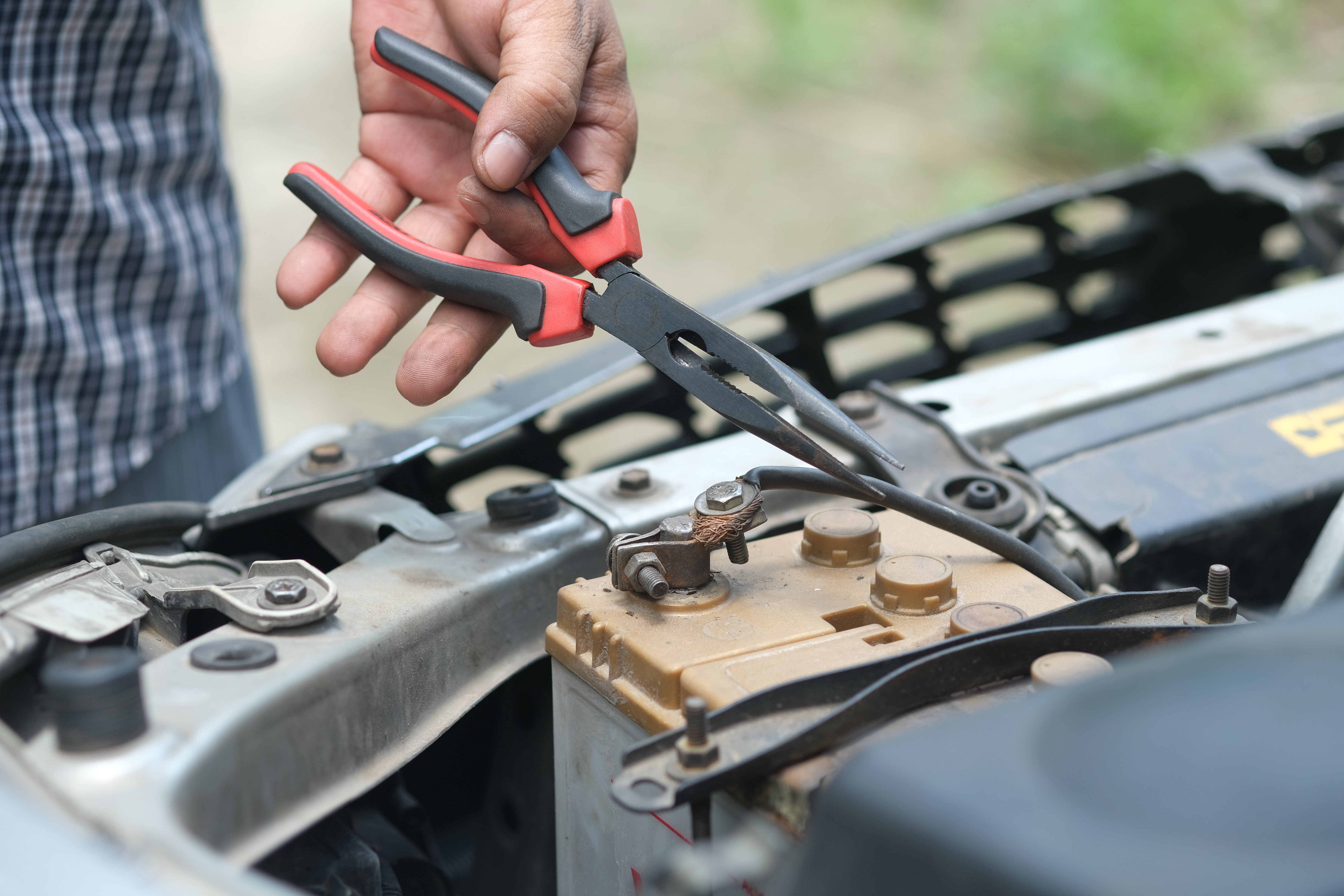
Your Toyota alternator produces the power to keep your battery charged, and it supplies all of your car’s electrical needs. An alternator lasts for many years, but the time will come when it starts to fail. As your Toyota dealer, we can test your alternator and provide an alternator repair when you need one. These are some of the ways you can tell that your alternator is failing.
Signs That You Need an Alternator Repair at Your Toyota Dealer
Your Alternator Is Old
The average lifespan of an alternator is approximately eight years. This lifespan can be reduced due to failure by other components. A bad battery, for example, can critically weaken your alternator if the problem isn’t identified in time. A new alternator produces 14.5V of electricity, which is more than enough to supply all of your Toyota’s electrical needs.
As the alternator ages, it starts to produce less power. This power reduction is partly caused by failures of individual components in the alternator. An alternator failure is a gradual process, but once it starts, it can’t be fixed. You do, however, receive plenty of notice that this process has begun. Our technicians can test your alternator, and if it’s damaged, we recommend its replacement.
Electrical Failures
All the power for your electrical system is supplied by the alternator when your engine is running. An alternator will quietly toil away producing power until it starts to fail. Your alternator will reach the stage where it can’t supply all of your car’s electrical needs. When this happens, your Toyota’s computer will have to apportion the available power to supply the demands of your electrical systems.
This shifting of power will cause glitches as electricity is drawn away from one component to supply another. Your windows, for example, may suddenly jam open, or the radio could shut off. When the power is shifted again, both components will work normally. Glitches become more frequent and numerous as the alternator problem gets worse.
A Dead Battery
The alternator supplies power to recharge the battery, and it begins its recharging cycle as soon as your engine starts. Starting your engine requires a large amount of your battery’s power. A healthy alternator can easily and unnoticeably recharge the battery without any trouble. A problem occurs when your alternator can’t produce enough power.
A lack of power affects the electrical systems as we saw, but it will also affect the battery. The reduced power supply means that your battery won’t be fully recharged. The amount of power your battery uses is fixed, and a reduced recharge rate will result in your battery steadily growing weaker. The result of a weakening alternator is a dead battery.
Although alternator failure is a serious problem, it’s important to remember that this failure happens slowly. You’ll start to see the signs that your alternator is growing weaker. This knowledge gives you time to have it checked. If you see signs your alternator is failing, call our service department at Cloninger Toyota.
Connect with us


Recent Blog Entries
- A Closer Look at the 2023 Toyota Highlander Hybrid
- 5 Top Photo Spots for Taking Pictures in Driving Distance of Salisbury, NC
- 5 Smart Tech Features You’ll Find on Today’s Toyota Cars
- 4 Great Weekend Getaways You Can Drive to Near Salisbury, NC
- Just Down the Road: 3 Fun Spots for Nature Lovers Near Salisbury, NC