


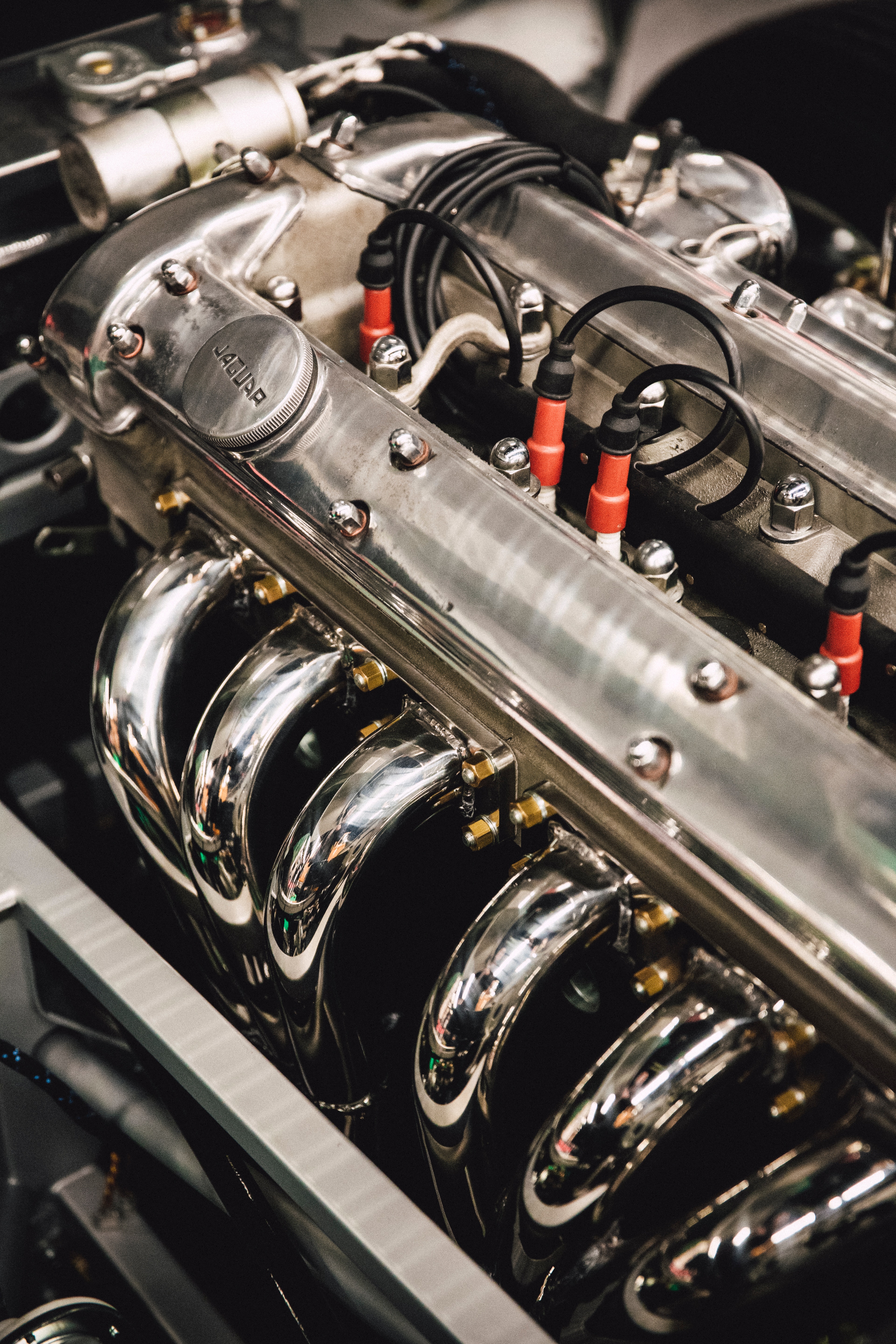
Your car’s engine is a very hot place, and it’s filled with components that can be damaged by high temperatures. To keep your engine running efficiently and protect vital parts from damage, your car has a cooling system. The radiator is the most important part of this system, but as with any mechanical component, it can get damaged. As your Toyota dealer, we’d like you to know some signs that you’ll need a radiator repair.
Do You Need a Radiator Repair at Your Toyota Dealer?
Engine Temperature Is Too High
Your engine runs hot due to combustion and the constant high-speed movement of countless parts. Your engine’s normal operating temperature is between 195F and 220F. Although this sounds hot, it’s the right temperature for your engine to operate efficiently. If the heat generated by your engine isn’t removed, however, the temperature will rise far above the safe level. This will result in serious engine damage.
When your engine temperature rises over 185F, coolant is released to control the engine temperature. This coolant will absorb the heat and carry it to the radiator for cooling. If your engine temperature is rising noticeably, this means there must be a fault in the cooling system. Call our service department, and our highly-trained technicians will investigate and fix the problem.
Damaged Thermostat
The thermostat is a small valve with a big function. The thermostat controls the flow of coolant in your engine. Once the engine temperature hits 185F, the thermostat notes the temperature and opens to release coolant. The water pump activates and pumps the coolant through your engine at high speed. As the coolant passes through your engine, it absorbs the engine’s heat. When the temperature drops below 185F, the coolant returns to the tank, and the valve closes.
If the thermostat fails, it will jam in a closed or open position. If the thermostat jams closed, no coolant will be released regardless of the engine temperature. Your engine temperature will start to rise rapidly and your engine can quickly begin overheating. If the thermostat jams open, coolant will be continually released. The coolant will rapidly reduce your engine temperature, but it will become inefficient.
Broken Thermal Switch
When coolant is released into your engine, it absorbs the heat and carries it to the radiator. In the radiator, the hot coolant enters rows of thin fin-like tubes. Air blowing in through the radiator grille blows across the tubes and cools the liquid inside them. The faster your car is moving, the faster the airflow through the grille and the quicker the coolant is cooled.
When your car is idling, there’s very little air movement. To keep your engine from overheating, there’s a fan attached to the back of your radiator. This fan will come on and blow over the tubes from behind to cool them. The thermal switch controls the fan, and if it fails the fan won’t come on.
If your car seems to be running hotter than it should, call us right away at Cloninger Toyota.
Connect with us


Recent Blog Entries
- A Closer Look at the 2023 Toyota Highlander Hybrid
- 5 Top Photo Spots for Taking Pictures in Driving Distance of Salisbury, NC
- 5 Smart Tech Features You’ll Find on Today’s Toyota Cars
- 4 Great Weekend Getaways You Can Drive to Near Salisbury, NC
- Just Down the Road: 3 Fun Spots for Nature Lovers Near Salisbury, NC